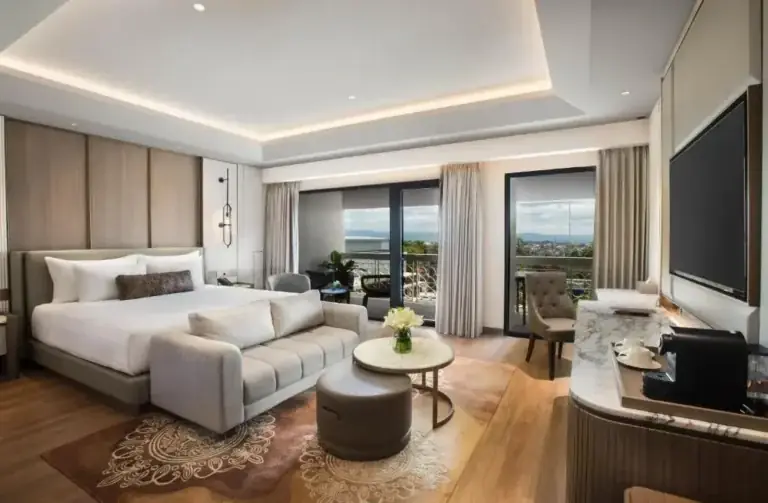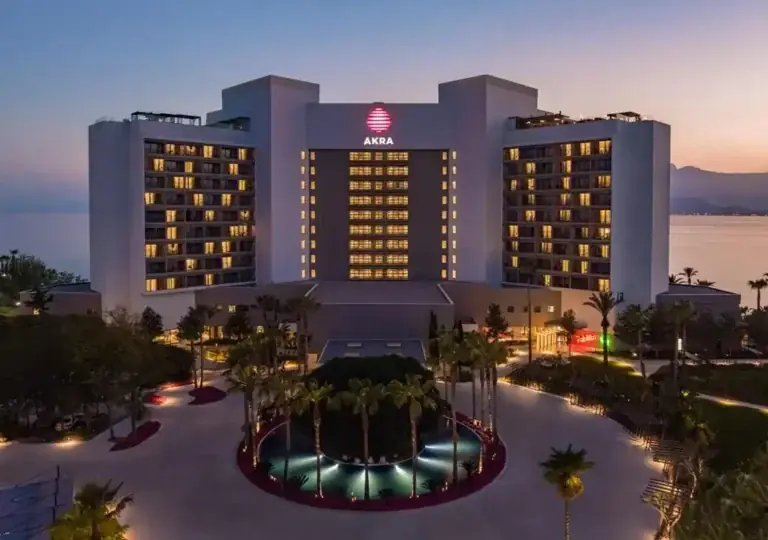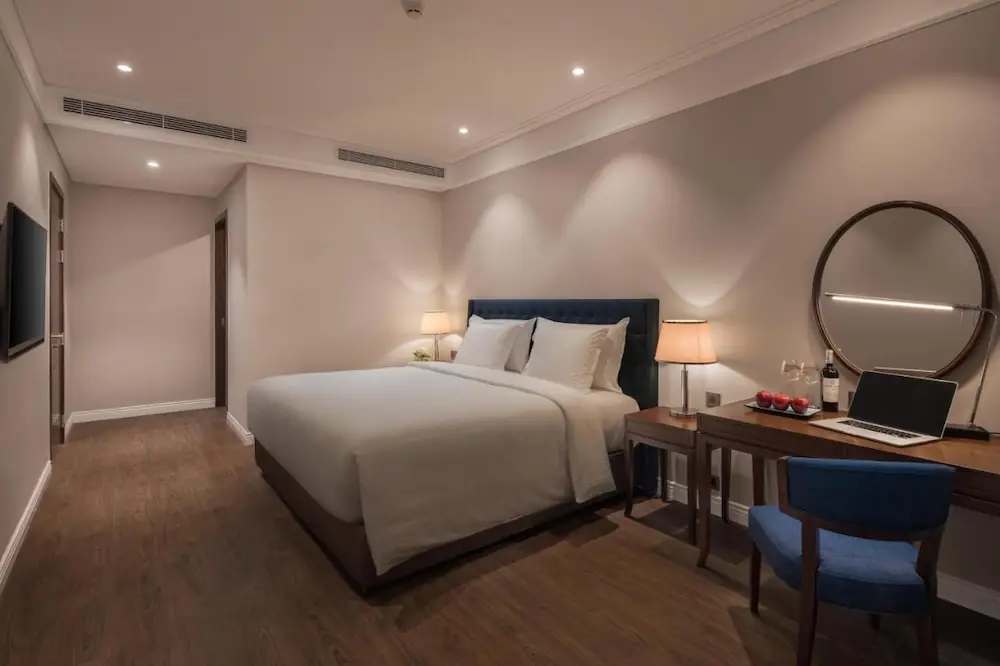
Best Five-Star Suites for Digital Nomads: The Definitive Guide
The intersection of ultra-luxury hospitality and decentralized remote work has redefined the parameters of professional mobility. Historically, high-end hotels catered exclusively to leisure tourists or brief business travelers on compressed schedules. Today, a sophisticated class of location-independent founders, enterprise consultants, and quantitative strategists requires absolute structural integrity for extended stays. Identifying the best five-star suites for digital nomads demands evaluating parameters far beyond aesthetic opulence. True work-ready sanctuaries must seamlessly blend enterprise-grade network infrastructure, ergonomic architecture, acoustic privacy, and personalized property-level support.
Evaluating these properties requires an analytical framework that strips away marketing gloss. A hotel room can boast exquisite Italian marble and bespoke furnishings, yet fail entirely if its wireless local area network drops packets during a high-stakes client briefing, or if its concierge lacks the operational flexibility to handle asynchronous working rhythms. Consequently, long-term asset selection within this niche relies on examining how physical space, digital infrastructure, and service cultures intersect to support uninterrupted cognitive output.
Understanding “best five-star suites for digital nomads”
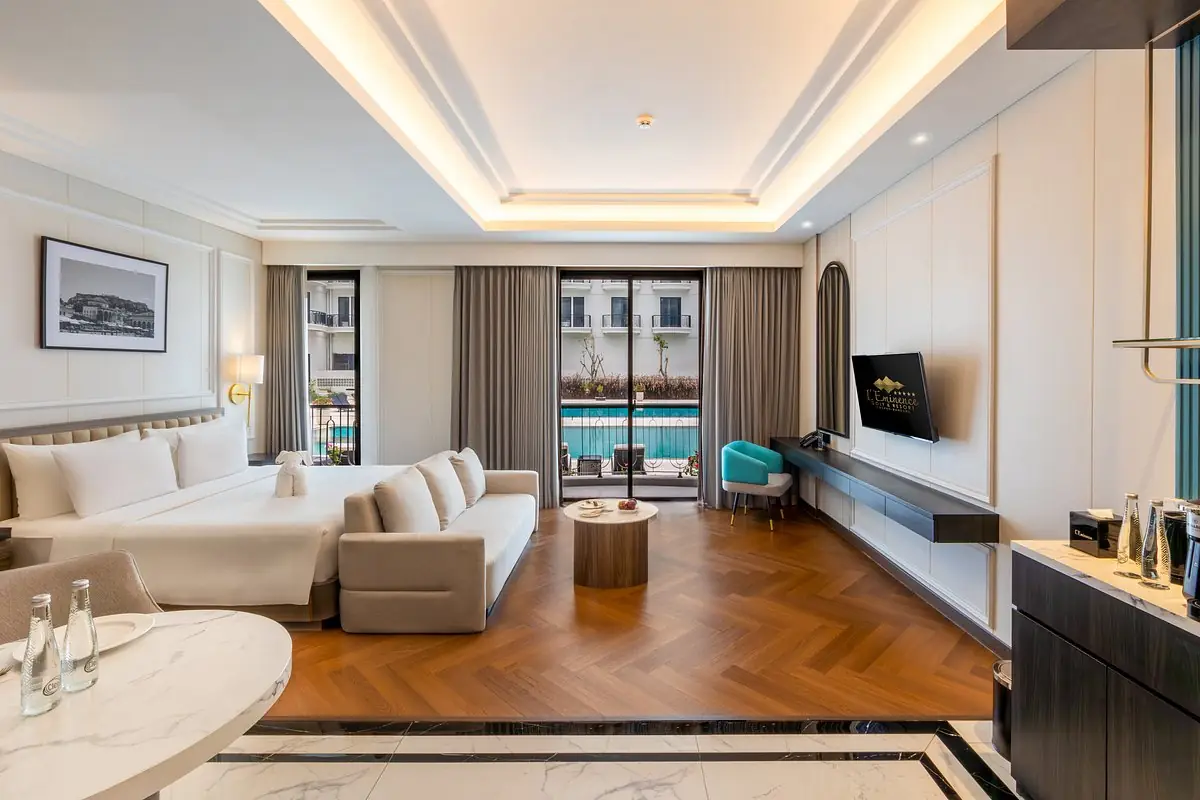
The analytical discipline required to evaluate the best five-star suites for digital nomads encompasses the technical, spatial, and contractual criteria that separate conventional luxury rooms from high-performance remote work environments. Unlike standard tourist suites designed for brief recuperation, work-optimized premier accommodations must function as fully operational executive headquarters. This requires dedicated multi-zone zoning within the suite, where sleeping quarters remain acoustically and visually isolated from working spaces.
Common misunderstandings center on the assumption that premium room rates naturally correlate with superior digital infrastructure. In practice, historic five-star properties often feature thick stone or reinforced concrete walls that severely degrade wireless signals, while lacking hardwired Ethernet ports at the writing desk. Furthermore, observers frequently confuse marketing claims of high-speed Wi-Fi with guaranteed symmetrical bandwidth, ignoring contention ratios and firewall restrictions that block secure corporate virtual private networks.
Oversimplification risks empower lifestyle commentators to treat remote work suites as mere aesthetic backdrops for social media content. Recognizing the true mechanics of selecting top-tier remote sanctuaries demands rigorous scrutiny regarding power redundancy, lighting ergonomics, room-service operational hours, and extended-stay contract flexibility. Mastering these variables requires a multi-dimensional evaluation of both hospitality architecture and enterprise networking standards.
Deep Contextual Background
The evolution of work-integrated luxury hospitality reflects a profound transformation in white-collar employment and global asset mobility over the past two decades. During the early phases of the remote work movement, location-independent professionals typically relied on budget-friendly apartments, coffee shops, or specialized coliving spaces. These environments prioritized community interaction and basic digital connectivity but routinely compromised on personal security, quiet focus, and physical comfort.
As remote and hybrid work models matured into permanent institutional strategies for elite earners, a distinct segment of high-net-worth professionals rejected transient communal living. They began demanding the uncompromising service standards, culinary infrastructure, and architectural privacy of legacy five-star hotels. In response, premier global hospitality brands—ranging from independent design-forward properties like 1 Hotels and Rosewood to traditional grand dame flagships—began re-engineering their extended-stay inventory to accommodate high-output remote executives.
The contemporary landscape represents an absolute convergence of gigabit-class property networking, biophilic architecture, and flexible extended-stay lease structures. Modern luxury suites now feature dedicated enterprise routing options, studio-grade lighting for video conferencing, and personalized butler services tailored to asynchronous working hours. This systemic evolution ensures that identifying top-tier work-ready accommodations remains a vital capability for modern professional asset management.
Conceptual Frameworks and Mental Models
Assessing the performance and viability of premier work-ready hotel suites requires structured analytical frameworks that weigh multiple competing technical and spatial variables.
The Spatial-Acoustic Segregation Model
This framework maps the physical separation between private resting zones and active workstations to ensure that multi-hour video conferences do not conflict with domestic tranquility.
The Symmetrical Bandwidth and Redundancy Index
This analytical lens evaluates not just nominal download speeds, but ping latency, jitter rates, backup cellular routing, and hardwired Ethernet availability.
The Circadian Ergonomic Continuum
This model weighs the physical adaptability of the workstation—including chair lumbar support, desk height, and natural daylight exposure—against the biological fatigue curves of long-form analytical work.
The Operational Friction Matrix
This model assesses how property service policies, such as mandatory midday housekeeping or rigid dining hours, impact the unbroken workflow of asynchronous professionals.
Key Categories or Variations
The landscape of premier hospitality options optimized for location-independent executives encompasses several distinct operational models, each presenting unique structural trade-offs.
The Biophilic Urban Sanctuary Suite
Flagship urban properties emphasizing natural materials, living greenery, and advanced air filtration alongside integrated writing desks and high-speed fiber lines. It provides an inspiring psychological backdrop and exceptional urban connectivity, offset by high baseline nightly tariffs and downtown ambient noise.
The Alpine Peak Work-Retreat Chalet
Mountain resort suites featuring heavy timber construction, panoramic vistas, resilient backup power systems, and high-speed satellite connectivity. It delivers supreme cognitive focus and restorative natural isolation, offset by potential weather-dependent travel disruptions and remote technical support limitations.
The Coastal Heritage Extended-Stay Penthouse
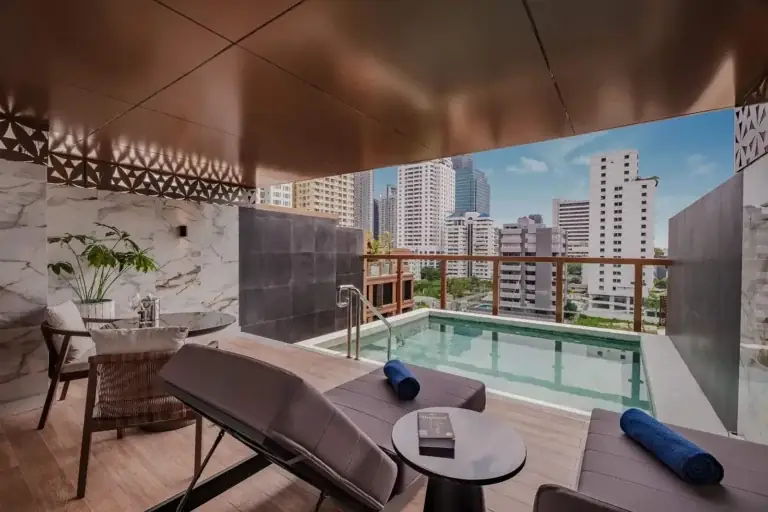
Spacious coastal suites offering multi-room floor plans, expansive outdoor terraces configured with shaded work areas, and dedicated concierge attendants. It presents extraordinary lifestyle balance and space, offset by seasonal humidity risks to sensitive computing hardware.
The Financial Hub Serviced Residence
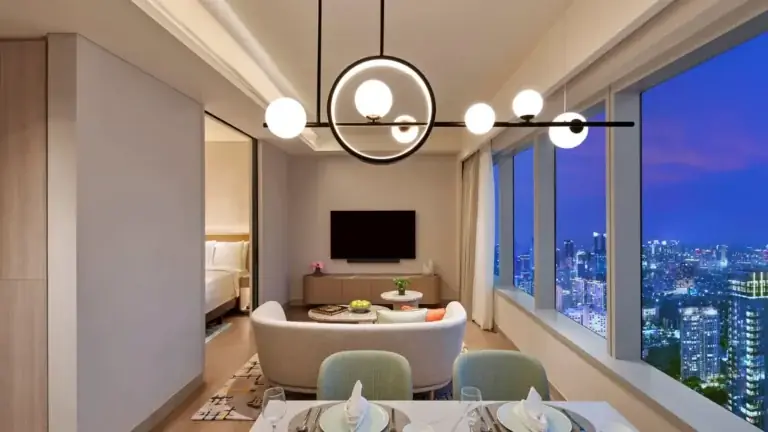
Ultra-luxury residential-style hotel suites located in primary global financial capitals, equipped with dedicated boardrooms, enterprise printers, and secure fiber backbones. It ensures absolute corporate productivity and infrastructure reliability, offset by sterile corporate aesthetics in certain legacy properties.
The Historic Grand Dame Executive Suite
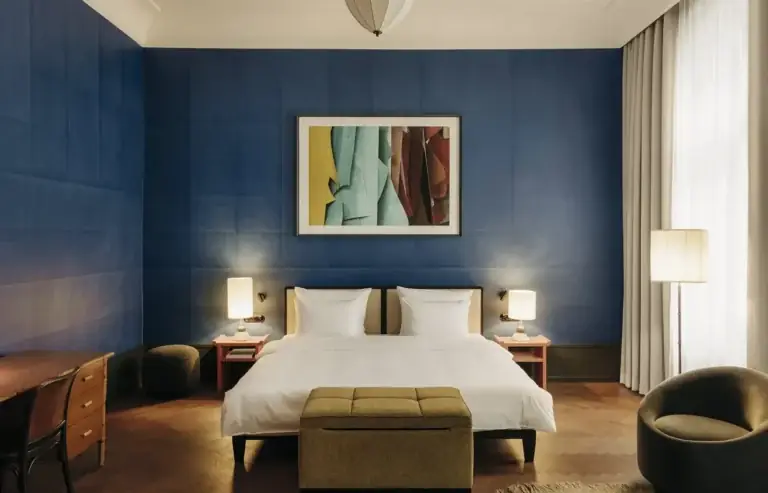
Centuries-old landmark hotel suites adapted with modern enterprise networking while preserving classical architectural moldings and separate study chambers. It offers unmatched prestige and historical character, offset by structural quirks such as limited electrical outlet placement and thick partition walls.
Best Five-Star Suites Categories Comparison Matrix
| Suite Category | Primary Environment | Core Technical Advantage | Primary Operational Trade-Off |
| Biophilic Urban Sanctuary | Metropolitan centers | Integrated fiber & natural lighting | Elevated nightly tariffs |
| Alpine Peak Retreat | Mountain destinations | Resilient power & scenic focus | Weather isolation risks |
| Coastal Heritage Penthouse | Coastal resorts | Expansive terraces & space | Humidity and hardware wear |
| Financial Hub Residence | Primary financial capitals | Boardroom access & secure routing | Institutional aesthetic |
| Historic Grand Dame Suite | Landmark urban hotels | Prestige & separate study rooms | Legacy architectural quirks |
Realistic Decision Logic
Selecting the appropriate suite category requires aligning the executive’s project demands and technical dependencies with regional infrastructure realities. Specifically, if a quantitative strategist requires zero-latency connections for algorithmic modeling during global market hours, financial hub serviced residences represent the optimal choice. Conversely, if a creative director seeks restorative deep-work insulation during an extended content-creation cycle, biophilic urban sanctuaries or alpine chalets should be prioritized. Planners must evaluate assets using a strict technical matrix before committing capital.
Detailed Real-World Scenarios
The Quantitative Strategist in a Financial Hub Residence
A senior algorithmic trader operating across European and North American markets utilized a serviced luxury penthouse in London. The suite featured dual-redundant fiber connections and a hardwired ethernet drop, allowing uninterrupted execution of complex financial transactions without local network throttling.
The Enterprise Technologist in a Biophilic Urban Sanctuary
A software architect directing a distributed engineering team across three continents based themselves in a biophilic urban suite in New York. The property’s dedicated multi-room zoning allowed the technologist to conduct midnight syncs in the study while leaving the primary bedroom completely acoustically isolated.
The Venture Partner in an Alpine Peak Chalet
A venture capital partner evaluating early-stage enterprise software utilized an isolated mountain chalet suite in Switzerland during a shoulder-season month. The property’s robust satellite backup system and high-altitude quiet environment facilitated deep strategic document review free from urban distractions.
The Creative Director in a Coastal Heritage Penthouse
A luxury brand creative director managing an international product launch established a month-long operational base in a coastal heritage suite. The shaded outdoor terrace and high-speed mesh Wi-Fi extension allowed seamless review of high-resolution video assets while maintaining immediate access to coastal wellness amenities.
Planning, Cost, and Resource Dynamics
The financial architecture of securing and maintaining an extended-stay luxury suite for remote work involves balancing premium nightly overhead against productivity preservation and business expense efficiencies. Direct monetary costs frequently range from twenty thousand to over one hundred twenty thousand dollars per month.
Opportunity costs manifest clearly in travel time and workspace friction. Professionals who attempt remote work in substandard accommodations frequently suffer lost billable hours due to connectivity dropouts, inadequate lighting causing eye strain, or uncomfortable seating leading to physical fatigue.
| Expense Category | Typical Variance Range | Primary Cost Drivers | Mitigation Strategy |
| Extended-Stay Suite Tariffs | $20,000 to $120,000+ per month | Seasonal compression; brand tier | Negotiate corporate monthly retainers |
| Network Redundancy Add-ons | $200 to $1,000 monthly | Dedicated static IP; bonded cellular backup | Request property IT override for hardwire access |
| Ergonomic Furniture Rentals | $500 to $2,000 per stay | Specialized task chairs; external monitors | Pre-clear furniture swaps with concierge |
| Business Center Support Fees | Included to $500 monthly | Secure printing; courier management | Utilize digital document workflows |
Tools, Strategies, and Support Systems
Executing error-free remote work operations from a premier luxury suite requires specialized digital utilities and professional support channels.
-
Bonded Cellular Routers: Utilizing high-end portable hardware aggregators that combine multiple cellular carrier signals as an emergency backup to hotel Wi-Fi.
-
Direct Hotel IT Desk Contacts: Establishing pre-arrival communication with property network administrators to whitelist corporate VPN protocols and assign static IP leases.
-
Ergonomic Travel Kits: Deploying portable dual-monitor arrays, mechanical keyboards, and blue-light filtration optics tailored for mobile executive workflows.
-
Encrypted Cloud Storage Vaults: Maintaining zero-knowledge encrypted repositories for sensitive intellectual property and client files during international transit.
-
Asynchronous Scheduling Suites: Integrating advanced time-zone management software to coordinate team communications across disparate global regions cleanly.
-
Concierge Task Delegation Apps: Leveraging property butler services for physical administrative tasks, freeing executive cognitive bandwidth for core work.
Risk Landscape and Failure Modes
Implementing a remote work strategy centered on luxury hotel suites exposes professionals to compounding operational and technical risk vulnerabilities. The primary hazard involves network infrastructure opacity. Promotional marketing materials routinely advertise high-speed internet, but fail to disclose network throttling, restrictive firewall architectures, or heavy contention ratios during peak evening leisure streaming hours.
Another critical risk category involves service disruption from housekeeping schedules. Luxury hotels operate on rigid daily cleaning cycles designed for leisure guests. If property staff insist on servicing the suite during peak morning video conferencing blocks, or fail to respect “Do Not Disturb” protocols during critical deployment windows, executive productivity suffers severe operational friction.
Governance, Maintenance, and Long-Term Adaptation
Maintaining an authoritative capability in selecting premier work-ready hotel suites requires continuous market surveillance and structured review cadences. As global hospitality portfolios upgrade their technological backbones, evaluation metrics must adapt accordingly.
-
Adjustment Triggers: Define explicit operational signals—such as recurring network packet loss, unresponsive property management, or rigid housekeeping inflexibility—that automatically prompt a blacklisting of specific hotel properties.
-
Annual Portfolio Reviews: Conduct comprehensive audits of historical extended-stay expenditures, tracking network reliability metrics and comparing property performance against independent villa alternatives.
-
Layered Compliance Checklists: Maintain internal databases tracking which luxury brands consistently deliver reliable hardwired ethernet access and ergonomic workspaces versus those relying on superficial aesthetics.
Measurement, Tracking, and Evaluation
Assessing the true success of a work-optimized luxury suite strategy requires balancing quantitative technical performance metrics against qualitative cognitive and professional output signals. Relying exclusively on luxury star ratings hides potential functional compromises in networking integrity.
-
Leading Indicators: Monitor pre-arrival IT communications responsiveness, hardwire availability confirmation, and ergonomic furniture customization fulfillment.
-
Lagging Indicators: Analyze sustained billing output, project delivery timelines, and freedom from technical support interruptions during critical work phases.
-
Qualitative Signals: Evaluate personal cognitive fatigue levels, sleep quality consistency, and whether the suite environment genuinely enhanced professional execution.
Common Misconceptions and Oversimplifications
-
Myth: Any five-star hotel with advertised Wi-Fi is automatically suitable for high-bandwidth remote engineering or financial trading.
-
Correction: Luxury hotels frequently prioritize leisure guest streaming over symmetric enterprise bandwidth, leading to high jitter and dropped video calls.
-
-
Myth: Booking a presidential suite guarantees a professional-grade workspace with proper ergonomic seating and task lighting.
-
Correction: Presidential suites are optimized for entertaining and sleeping, often featuring low decorative coffee tables rather than functional executive writing desks.
-
-
Myth: Hotel concierge teams cannot accommodate custom technical or dietary requests for extended-stay remote workers.
-
Correction: Top-tier properties routinely adjust housekeeping schedules and coordinate bespoke culinary regimes when informed during the pre-arrival booking phase.
-
-
Myth: Relying on hotel Wi-Fi is entirely secure for handling sensitive corporate data and financial intellectual property.
-
Correction: Open guest networks require the mandatory deployment of robust corporate virtual private networks and encrypted local firewalls.
-
-
Myth: Monthly extended-stay rates in luxury suites are always more expensive than renting private high-end apartments.
-
Correction: When factoring in utility hookups, maintenance staff, security services, and high-speed internet installation, long-stay hotel contracts often provide competitive net value.
-
Ethical, Practical, or Contextual Considerations
Engaging deeply with the selection of premier work-ready hospitality suites carries significant responsibilities regarding respectful interaction with property personnel, local communities, and hotel management boards. While remote professionals must fiercely protect their uptime and operational security through rigorous pre-booking technical audits, adversarial interactions that disrespect hotel operating guidelines or strain housekeeping teams damage professional goodwill.
Travel planners and discerning nomads must balance the pursuit of absolute productivity with a supportive appreciation for luxury hospitality operations. Ensuring that elite workation curation focuses on supporting sustainable property growth, respecting operating frameworks, and honoring staff expertise fosters a sustainable, highly sophisticated approach to modern location-independent execution.
Conclusion
Mastering the evaluation and selection of the best five-star suites for digital nomads requires intellectual rigor, technical literacy, and a commitment to looking past surface-level marketing aesthetics. While work-optimized luxury suites demand higher capital diligence than standard remote housing options, understanding the intricate interplay of symmetrical bandwidth, spatial-acoustic segregation, and flexible operational support transforms mobile work into a powerful strategic advantage. By balancing rigorous technical oversight with an appreciation for hospitality craftsmanship, modern executives can successfully secure extraordinary, frictionless operating environments at the absolute summit of global professional mobility.