How to Manage Five-Star Suites Noise Issues: The Definitive Guide
The pursuit of absolute tranquility within the upper echelons of luxury hospitality frequently collides with the harsh physical realities of urban architecture, mechanical plant operations, and multi-tenant guest dynamics. Even at the highest price points, penthouse levels and presidential accommodations are not immune to low-frequency hums from rooftop HVAC chillers, structural vibrations from high-speed elevator shafts, or airborne sound transmission through connecting room doors. For discerning travelers, corporate executives, and family offices accustomed to undisturbed focus and restorative rest, acoustic disruption represents a critical failure of the hospitality asset. Consequently, mastering how to manage five-star suites noise issues requires a sophisticated understanding of building acoustics, architectural engineering, and hotel operational protocols.
Addressing acoustic vulnerabilities in luxury suites goes far beyond simple room relocations or complimentary earplugs. High-net-worth guests and travel planners must navigate the complex structural friction points between historic preservation, modern aesthetic minimalism, and heavy mechanical engineering. Dissecting these operational ecosystems provides a definitive framework for mitigating environmental sound pollution, evaluating property build quality, and safeguarding the cognitive and physical well-being of high-value patrons during extended stays.
Understanding “how to manage five-star suites noise issues”
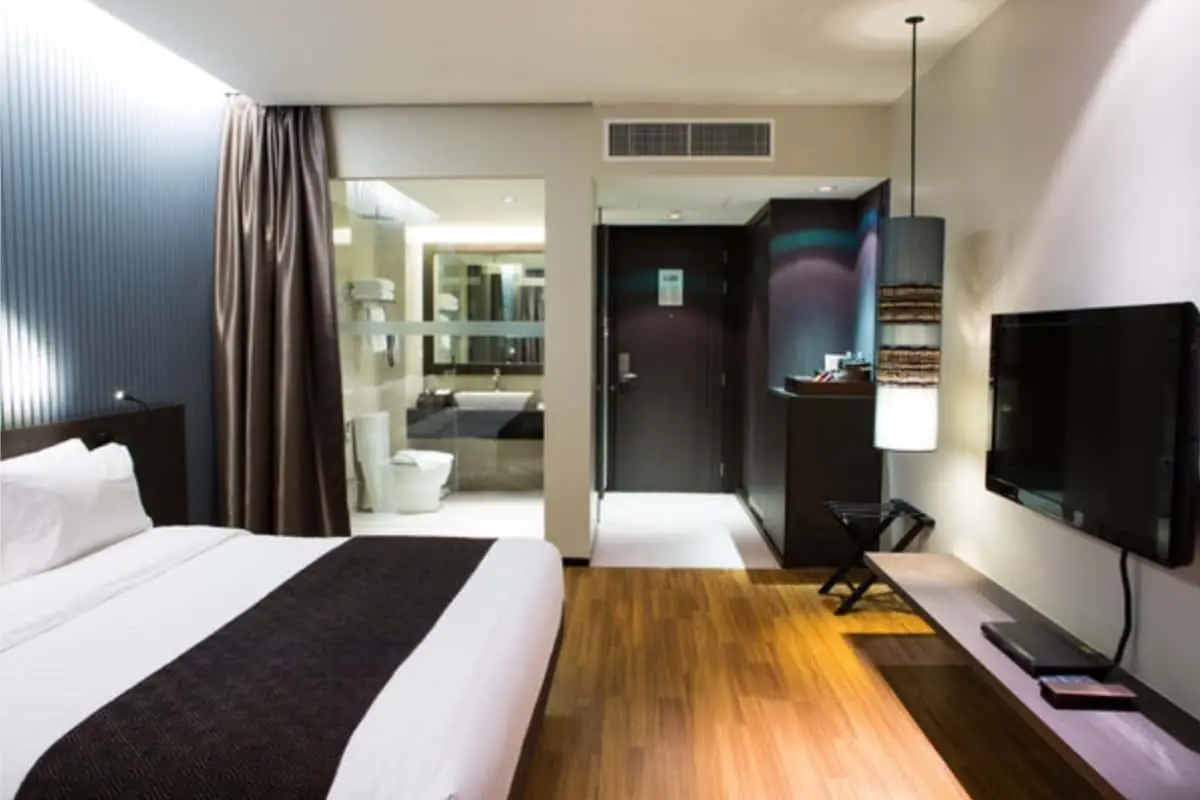
The analytical discipline required to evaluate how to manage five-star suites noise issues encompasses the structural, mechanical, and behavioral interventions necessary to isolate premier accommodations from external sound pollution. Unlike standard guest rooms where minor acoustic bleed is considered acceptable, luxury suites command premium tariffs that establish an implicit contract of absolute sensory sanctuary. This requires examining both airborne noise transmission—such as hallway chatter and street traffic—and structure-borne vibration, including plumbing turbulence and elevator motor resonance.
Common misunderstandings center on the assumption that modern five-star construction automatically guarantees total soundproofing. In practice, architectural trends favoring floor-to-ceiling glass facades, minimalist hard-surface flooring, and open-plan loft layouts frequently exacerbate sound reflection and acoustic bleed. Furthermore, observers frequently confuse marketing claims of sound-isolated chambers with actual field performance, ignoring flanking paths where sound travels through shared utility chases or poorly sealed connecting doors.
Oversimplification risks empower lifestyle commentators to treat elite suite acoustics as a matter of requesting a quiet room away from the elevator. Recognizing the true mechanics of how to manage five-star suites noise issues demands rigorous scrutiny regarding Sound Transmission Class ratings, Impact Insulation Class metrics, dual-pane acoustic glazing, and property-level engineering override protocols. Mastering these variables requires a multi-dimensional evaluation of both building physics and luxury hotel service management.
Deep Contextual Background
The evolution of acoustic design and noise mitigation in luxury hospitality reflects a century-long response to increasing urban density and mechanical complexity. During the early twentieth century, grand hotels relied on massive masonry construction, thick plaster walls, and heavy drapery to naturally dampen ambient city sounds. However, the post-war construction boom introduced lightweight steel frames, glass curtain walls, and centralized mechanical ventilation systems that drastically increased acoustic transmission across floors and guest corridors.
The late twentieth century saw the emergence of formal architectural acoustics as an engineering discipline, leading to the establishment of standardized rating systems like STC and Noise Criteria curves for high-end hospitality projects. Despite these advancements, the rapid proliferation of rooftop nightlife venues, urban densification, and high-speed transit networks created new challenges for luxury operators. Properties were forced to retro-fit historic and modern structures with specialized acoustic interlayers, floating floors, and active mechanical vibration isolators to protect high-tier suites from escalating urban noise pollution.
The contemporary era represents an absolute convergence of precision acoustic engineering, smart-glass sound abatement, and predictive environmental monitoring. Modern luxury developments integrate tunable acoustic damping materials and computerized HVAC zoning to suppress low-frequency rumble before it reaches the guest suite. This ongoing evolution ensures that understanding how to manage five-star suites noise issues remains a vital capability for modern asset curation and travel risk management.
Conceptual Frameworks and Mental Models
Assessing the performance and mitigation of suite-level acoustic interference requires structured analytical frameworks that weigh multiple competing physical and operational variables.
The Airborne vs. Structure-Borne Transmission Model
This framework maps the dual pathways of sound intrusion, distinguishing between sound waves traveling through the air and mechanical vibrations traveling directly through the building’s structural skeleton.
The Facade-to-Core Attenuation Gradient
This analytical lens evaluates how sound energy diminishes as it passes from exterior street sources through window glazing, exterior walls, and interior partitions into the sleeping sanctuary.
The Mechanical Noise Mitigation Continuum
This model weighs the cost and operational disruption of retrofitting building plant equipment against the localized deployment of active noise-canceling furniture or white-noise architecture.
The Operational Response Latency Matrix
This model assesses how quickly property engineering and management teams can diagnose, measure, and resolve acute acoustic complaints without degrading the guest experience.
Key Categories or Variations
The landscape of acoustic management strategies and suite variations encompasses several distinct operational models, each presenting unique structural trade-offs.
The Historic Heritage Acoustic Retrofit
Managing noise issues in centuries-old landmark properties characterized by rigid preservation laws, single-pane windows, and thick timber framing. It preserves historic architectural character and prime urban positioning, offset by high retrofitting costs and physical constraints on adding modern wall-insulation layers.
The Glass Curtain Wall High-Rise Penthouse
Mitigating high-altitude wind shear, helicopter traffic, and street-level urban cacophony in modern skyscrapers featuring extensive floor-to-ceiling glass. It offers breathtaking panoramic vistas and modern structural framing, offset by the inherent acoustic vulnerability of lightweight glass panels to low-frequency rumble.
The Resort Villa Natural Soundscape Integration
Managing environmental noise—such as crashing waves, tropical wildlife, or adjacent resort pool activity—in standalone luxury villas. It provides immersive natural tranquility and complete separation from multi-tenant hallways, offset by vulnerability to extreme weather and open-air architectural designs.
The Mixed-Use Urban Complex Sound Shielding
Addressing complex noise vectors in luxury suites situated above commercial retail, restaurants, or transit hubs within multi-use developments. It delivers supreme urban convenience and integrated lifestyle amenities, offset by persistent low-frequency vibration transfer from commercial kitchen exhausts and delivery bays.
The Subterranean or Inner-Core Quiet Suite
Utilizing interior-facing architectural layouts or subterranean spa-level suites to completely eliminate exterior street and wind noise. It ensures absolute acoustic blackouts and deep-sleep optimization, offset by a complete lack of natural daylight and exterior window views.
Noise Management Strategies Comparison Matrix
| Mitigation Strategy Category | Primary Noise Source | Core Architectural Mechanism | Primary Operational Trade-Off |
| Historic Heritage Retrofit | Street chatter & single-pane bleed | Secondary interior storm windows & heavy seals | Preservation restrictions on exterior changes |
| Glass Curtain Wall Shielding | Wind shear & traffic rumble | Laminated acoustic glass & laminated interlayers | High capital expenditure for glass replacement |
| Resort Villa Management | Waves & open-air activity | Strategic courtyard orientation & heavy foliage | Vulnerability to open-air structural designs |
| Mixed-Use Urban Complex | Commercial HVAC & kitchens | Floating room-within-a-room drywall systems | Loss of usable interior square footage |
| Inner-Core Architectural Layout | Exterior urban noise | Internal core placement away from facade | Elimination of exterior window views |
Realistic Decision Logic
Selecting the appropriate acoustic management approach requires aligning the principal’s sensory sensitivity with the specific structural vulnerabilities of the property. Specifically, if an executive suffers from acute sensitivity to low-frequency rumble in a high-rise glass tower, deploying secondary interior acoustic glazing and active electronic damping represents the optimal choice. Conversely, if a family office is evaluating a historic European estate, internal courtyard suite allocations and secondary heritage-compliant window inserts should be prioritized. Planners must evaluate assets using a strict acoustic matrix before committing resources.
Detailed Real-World Scenarios
The High-Rise Penthouse Wind Shear Mitigation
A quantitative strategist occupying a top-floor glass penthouse in Chicago experienced persistent whistling and low-frequency structural vibration during winter gales. The property engineering team resolved the issue by installing specialized mullion dampeners and applying secondary acoustic film to the curtain wall, reducing interior decibel levels by fifteen decibels.
The Heritage Hotel Street-Level Sound Isolation
A diplomat residing in a historic grand dame suite in Paris faced disruptive morning delivery truck noise and cobblestone traffic reverberation. Management successfully mitigated the disturbance by installing custom secondary magnetic glass panes behind the original historic French doors, preserving aesthetic compliance while restoring acoustic serenity.
The Mixed-Use Urban Resort HVAC Retrofit
A corporate board hosting a retreat in a luxury urban hotel suite encountered a persistent low-frequency hum originating from the hotel’s rooftop cooling towers directly above. Property management resolved the failure mode by installing elastomeric spring isolators beneath the chiller units and upgrading the suite’s ceiling plenum with sound-absorbing mineral wool.
The Coastal Villa Wave and Wildlife Buffering
A family office renting an open-air coastal villa suite in Hawaii struggled with nocturnal wind turbulence and wildlife noise disrupting sleep. The estate addressed the challenge by reconfiguring exterior louvered shutters with acoustic baffle linings and introducing discrete white-noise harmonization systems throughout the sleeping quarters.
Planning, Cost, and Resource Dynamics
The financial architecture of diagnosing and executing elite acoustic remediation projects involves balancing direct engineering costs against the severe opportunity cost of guest dissatisfaction and suite downtime. Direct monetary costs frequently range from five thousand to over one hundred thousand dollars per architectural zone.
Opportunity costs manifest clearly in revenue loss during remediation work. Because structural acoustic upgrades—such as rebuilding party walls or replacing curtain wall glass—require taking ultra-luxury suites offline, property management must carefully schedule interventions during low-occupancy shoulder periods to protect asset yields.
| Expense Category | Typical Variance Range | Primary Cost Drivers | Mitigation Strategy |
| Acoustic Consulting & Metering | $3,000 to $15,000 | Specialized decibel logging; vibration analysis | Deploy pre-acquisition architectural sound audits |
| Secondary Acoustic Glazing Retrofit | $10,000 to $50,000 | Custom laminated glass panels; historic approvals | Focus retrofits exclusively on master bedrooms |
| Mechanical Vibration Isolation | $15,000 to $80,000 | Rooftop chiller springs; ductwork silencers | Schedule structural work during seasonal closures |
| Suite Revenue Downtime Loss | $20,000 to $150,000+ | High nightly tariffs; extended renovation windows | Coordinate upgrades with scheduled room refurbishments |
Tools, Strategies, and Support Systems
Executing error-free acoustic evaluations and mastering how to manage five-star suites noise issues requires specialized digital instruments and professional advisory networks.
-
Professional Sound Level Meters (Class 1): Utilizing calibrated hardware that measures precise decibel levels across linear, A-weighted, and C-weighted frequency spectrums.
-
Real-Time Vibration Analyzers: Deploying accelerometers to detect structure-borne low-frequency resonance originating from elevator motors and plumbing risers.
-
Direct Engineering Desk Protocols: Establishing pre-arrival communication lines with property chief engineers to inspect adjacent mechanical closets and HVAC duct balancing.
-
Portable Acoustic White-Noise Generators: Utilizing studio-grade sound masking hardware during transit to neutralize unpredictable transient background noises.
-
Thermal Imaging Cameras: Identifying unsealed gaps around windows, doors, and utility penetrations where airborne sound waves infiltrate the suite.
-
Specialized Architectural Acoustics Consultants: Retaining independent engineering firms to conduct comprehensive pre-lease or pre-purchase acoustic audits of luxury properties.
Risk Landscape and Failure Modes
Implementing acoustic mitigation strategies in premier hospitality properties exposes owners and guests to compounding operational and structural risk vulnerabilities. The primary hazard involves the hidden nature of flanking transmission. Property managers frequently invest in expensive window replacements or wall insulation, only to discover that sound is traveling unimpeded through hollow core doors, shared electrical outlet boxes, or open ceiling plenums.
Another critical risk category involves aesthetic non-compliance in historic properties. Attempting to install heavy soundproofing materials or secondary glazing without securing heritage board approval can result in severe municipal fines, forced demolition of modifications, and irreparable damage to the property’s architectural integrity.
Governance, Maintenance, and Long-Term Adaptation
Maintaining an authoritative capability in evaluating and executing suite-level acoustic management requires continuous structural surveillance and structured review cadences. As urban environments densify and building mechanical systems age, acoustic performance metrics must adapt accordingly.
-
Adjustment Triggers: Define explicit operational signals—such as rising ambient decibel logs, aging window seal degradation, or new adjacent construction projects—that automatically prompt a reassessment of suite acoustic integrity.
-
Annual Property Audits: Conduct comprehensive engineering reviews of all premier suites, tracking mechanical vibration levels and inspecting door seals and window gaskets.
-
Layered Compliance Checklists: Maintain internal databases tracking which luxury properties consistently deliver superior acoustic isolation versus those plagued by structural noise vulnerabilities.
Measurement, Tracking, and Evaluation
Assessing the true success of an acoustic management strategy requires balancing quantitative physical measurements against qualitative guest feedback and sleep quality indicators. Relying exclusively on subjective guest complaints hides underlying structural acoustic deficiencies.
-
Leading Indicators: Monitor pre-arrival engineering inspection logs, acoustic seal replacement schedules, and HVAC duct balancing reports.
-
Lagging Indicators: Analyze post-stay guest review scores specifically mentioning sleep quality, noise-related compensation claims, and repeat booking retention rates.
-
Qualitative Signals: Evaluate executive feedback concerning ambient quietness, absence of mechanical hums, and whether the suite environment genuinely supported restorative rest.
Common Misconceptions and Oversimplifications
-
Myth: Requesting a top-floor penthouse automatically eliminates all noise issues because you are far away from street-level traffic.
-
Correction: Top-floor suites are frequently located directly beneath rooftop mechanical chillers, elevator motor rooms, and helicopter flight paths.
-
-
Myth: Thick velvet drapes and plush carpets are sufficient to completely soundproof a luxury suite against urban noise.
-
Correction: Soft furnishings only absorb high-frequency echoes, providing zero mitigation against low-frequency bass rumble or structural vibrations.
-
-
Myth: Modern five-star hotels built within the last five years are universally immune to acoustic transmission flaws.
-
Correction: Fast-track construction schedules and lightweight glass curtain walls in modern skyscrapers often exhibit severe acoustic flanking issues.
-
-
Myth: Property management can instantly silence a noisy connecting room guest simply by asking them to quiet down.
-
Correction: Behavioral noise requires ongoing diplomatic intervention, and structural sound transmission cannot be solved through guest management alone.
-
-
Myth: Standard double-pane glass windows block all external street noise from entering a luxury hotel suite.
-
Correction: Standard double-pane windows often suffer from coincidence dip resonance around specific frequencies, requiring specialized laminated acoustic glass.
-
Ethical, Practical, or Contextual Considerations
Engaging deeply with how to manage five-star suites noise issues carries significant responsibilities regarding respectful interaction with property personnel, local communities, and hotel engineering teams. While principals and family offices must fiercely protect their cognitive focus and sleep hygiene through rigorous acoustic audits, adversarial interactions that disrespect hotel operating guidelines or place unrealistic demands on engineering staff damage professional goodwill.
Travel planners and discerning principals must balance the pursuit of absolute silence with a supportive appreciation for the engineering complexities of luxury property operations. Ensuring that elite acoustic management focuses on collaborative problem-solving, respecting architectural constraints, and honoring engineering expertise fosters a sustainable, highly sophisticated approach to premier travel habitation.
Conclusion
Mastering the evaluation and execution required to manage acoustic environments within elite properties demands intellectual rigor, technical literacy, and a commitment to looking past surface-level marketing aesthetics. While rigorous acoustic management requires higher capital diligence than standard booking procedures, understanding the intricate interplay of airborne transmission paths, mechanical vibration isolation, and secondary glazing retrofits transforms travel planning into a powerful strategic asset. By balancing technical engineering oversight with an appreciation for architectural craftsmanship, organizations and discerning travelers can successfully secure extraordinary, acoustically pristine residencies at the absolute summit of global luxury leisure.