Best Beachfront Five-Star Suites in the US: The Definitive Guide
The pursuit of coastal luxury within the United States involves far more than securing a room with an ocean view. At the pinnacle of domestic hospitality, top-tier retreats redefine lodging through architectural integration, personalized service, and acoustic isolation. Furthermore, high-end coastal properties do not merely sit adjacent to the sand; instead, they command their environment, offering sanctuaries where environmental exposure is carefully managed.
Discerning travelers evaluating premier coastal accommodations frequently encounter surface-level marketing that equates high nightly rates with genuine five-star distinction. Understanding what separates a standard luxury hotel room from an exceptional coastal suite requires examining structural layouts, service ratios, spatial geometry, and the subtle engineering required to maintain absolute tranquility in dynamic marine environments. Consequently, this analysis explores the architectural, operational, and financial dimensions defining elite coastal hospitality across American shores.
Understanding Best Beachfront Five-Star Suites in the US
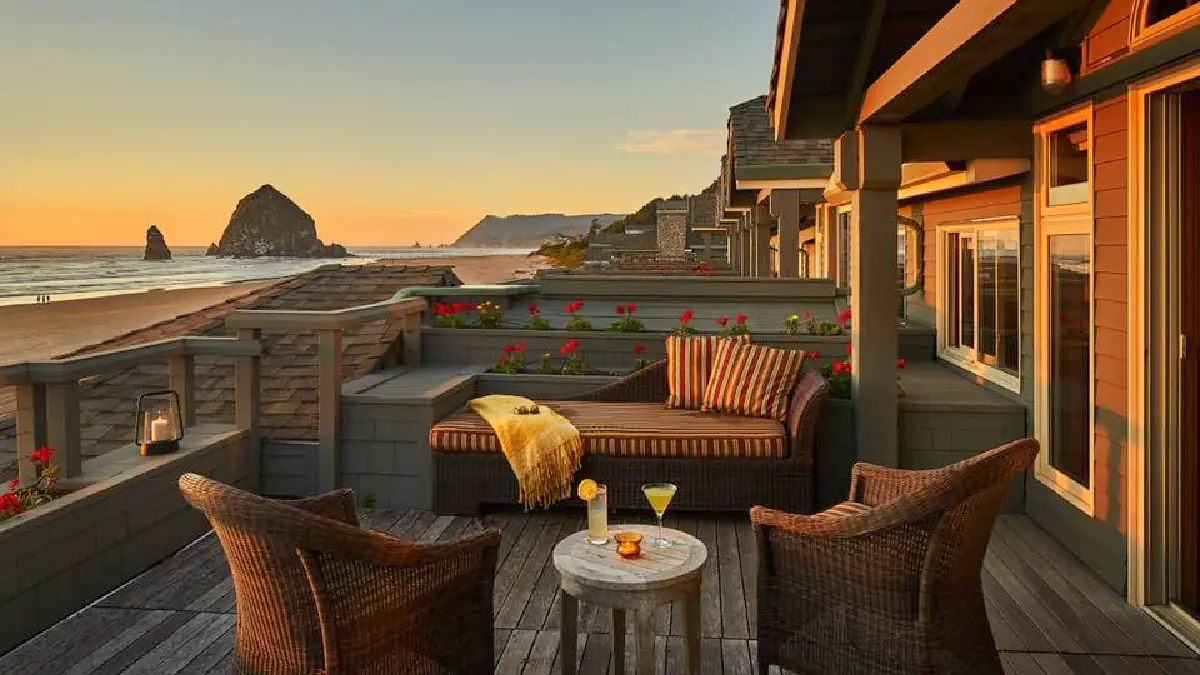
The phrase best beachfront five-star suites in the us represents a convergence of several distinct hospitality criteria that rarely coexist by default. Evaluating these accommodations requires untangling marketing hyperbole from structural reality. For instance, a common misconception is that proximity to the shoreline serves as the primary determinant of suite quality. In practice, being directly on the beach introduces significant environmental variables—such as salt corrosion, high wind velocities, intense solar glare, and public foot traffic—that properties must actively engineer against to maintain a five-star standard.
Oversimplification in this sector often stems from conflating star ratings with brand prestige. While institutional evaluators assess tangible metrics—such as staff-to-guest ratios, 24-hour culinary availability, and housekeeping thoroughness—the architectural integrity of a suite dictates its long-term value. True elite suites provide spatial separation between living areas and sleeping quarters, private plunge pools or expansive terraces sheltered from prevailing coastal gales, and unobstructed lines of sight preserving privacy from neighboring properties.
Another layer of complexity involves the legal and geographical constraints governing American coastline development. Due to stringent environmental protection acts, coastal zoning laws, and historical preservation mandates, building new ultra-luxury beachfront footprints remains heavily restricted. Consequently, the most prestigious suites typically appear within historic landmark estates or low-density master-planned enclaves where inventory is strictly capped. This scarcity fundamentally alters pricing dynamics, service models, and the criteria by which properties maintain their competitive advantage.
Deep Contextual Background
The evolution of American coastal luxury lodging reflects broader shifts in domestic travel, transportation infrastructure, and architectural philosophy. During the late nineteenth and early twentieth centuries, wealthy urbanites traveled by rail to grand wooden resort hotels in places like Newport, Rhode Island, and Cape May, New Jersey. These early establishments prioritized social congregation over private seclusion, featuring expansive wrap-around porches and communal dining halls designed for extended seasonal stays.
Post-World War II affluence and the rise of commercial aviation shifted preferences toward rapid sun-seeking getaways in Florida and Southern California. This era introduced the modernist motel and sprawling resort complexes prioritizing direct beach access and automotive convenience. However, many of these mid-century properties lacked the acoustic dampening, structural mass, and refined interior spatial planning required to deliver true ultra-luxury experiences, often resulting in noise pollution from ocean surf and adjacent pool decks penetrating guest quarters.
By the late twentieth and early twenty-first centuries, the definition of coastal luxury matured into an emphasis on holistic wellness, environmental harmony, and radical privacy. Properties along the Pacific coast, the Hawaiian islands, and select enclaves of the Atlantic seaboard began investing heavily in biophilic design, sustainable shoreline management, and bespoke interior architecture. Today, premier coastal suites are engineered to dissolve the boundary between interior living spaces and the natural marine ecosystem, utilizing floor-to-ceiling retractable glass walls, indigenous building materials, and advanced climate control systems mitigating humidity without sacrificing natural ventilation.
Conceptual Frameworks and Mental Models
Evaluating premier coastal accommodations benefits from structured analytical frameworks isolating physical, operational, and experiential variables.
-
The Environmental Shielding Model evaluates how well a suite balances exposure to ocean views with protection from harsh elements. Specifically, high-performing properties utilize smart glass, deep roof overhangs, and wind-baffled terraces to ensure outdoor living spaces remain usable during high-wind events.
-
The Spatial Zoning Index measures the functional division within a suite. True multi-room accommodations provide distinct acoustic and visual zones for sleeping, working, formal dining, and outdoor lounging, thereby preventing spatial congestion.
-
The Service Velocity Matrix assesses the frictionless delivery of amenities. This model examines how rapidly housekeeping, in-suite dining, and personal butler services execute tasks without disrupting guest privacy.
-
The Asset Scarcity Curve maps property valuation and booking availability against geographical constraints. Because new coastal development faces legal restrictions, top-tier suites operate on inelastic supply curves, making them sensitive to localized seasonal shifts.
Key Categories or Variations
Coastal luxury suites in the United States span several distinct architectural and geographical typologies, each presenting specific trade-offs regarding privacy, accessibility, and environmental exposure.
| Category | Typical Location Profile | Primary Architectural Advantage | Key Operational Trade-Off |
| Bluff-Top Panoramic Suites | Southern & Central California Coastline | Elevated vantage points offering sweeping ocean horizons; natural privacy from beachgoers. | Distance or vertical separation from the actual shoreline; reliance on elevators or steep paths. |
| Low-Rise Island Bungalows | Hawaiian Islands (Maui, Lanai, Big Island) | Direct ground-level indoor-outdoor flow; immersion in tropical landscaping and gentle coves. | Higher exposure to localized humidity, marine salt accumulation, and local fauna. |
| Historic Coastal Estate Suites | New England (Rhode Island, Cape Cod) | Deep architectural character, heritage craftsmanship, and storied cultural positioning. | Historic structural footprints can limit modern spatial reconfigurations and ceiling heights. |
| Urban Oceanfront Towers | South Florida (Miami Beach, Palm Beach) | Central proximity to metropolitan dining and culture combined with direct Atlantic views. | Susceptibility to urban ambient noise; shared vertical corridors with higher guest density. |
| Private Peninsula Sanctuaries | Georgia Sea Islands, Florida Keys | Ultimate seclusion surrounded by salt marshes or protected marine reserves. | Limited transit accessibility requiring private charters, ferries, or extended ground transfers. |
Realistic Decision Logic
Selecting among these categories requires aligning personal tolerance for environmental exposure with specific trip objectives. Travelers seeking complete acoustic isolation typically favor bluff-top Pacific properties. Conversely, those prioritizing barefoot beach access and warm-water swimming lean toward sheltered southern or island coves. Meanwhile, urban oceanfront properties serve travelers viewing the beach as a complementary backdrop to a dynamic cultural itinerary.
Detailed Real-World Scenarios
Understanding how these top-tier properties function under operational pressure requires examining specific situational archetypes that thoroughly test suite design, spatial layout, and staff capability.
The Multi-Generational Family Gathering
-
Operational Constraints: A family group requiring simultaneous connection and privacy across three distinct generations, including young children and elderly members with mobility considerations.
-
Core Decision Points: Selecting a multi-room residential suite offering ground-floor access or dedicated elevator service, adjacent secondary rooms, and private dining spaces.
-
Primary Failure Modes: Inadequate soundproofing between primary bedrooms and children’s areas; lack of step-free bathroom access; restrictive property policies regarding private family catering on terraces.
-
Second-Order Effects: Choosing a property equipped with robust multi-bedroom configurations successfully prevents intra-family friction and significantly reduces reliance on fragmented public resort areas.
The High-Stakes Creative or Executive Retreat
-
Operational Constraints: A traveler requiring absolute digital security, uninterrupted high-bandwidth connectivity, and a quiet environment for confidential strategy sessions.
-
Core Decision Points: Evaluating suite layouts for private meeting spaces, dedicated workspace ergonomics, and robust Wi-Fi infrastructure isolated from public resort networks.
-
Primary Failure Modes: Open-concept suites lacking doors for private conversations; high ambient noise levels originating from nearby pool decks or housekeeping corridors.
-
Second-Order Effects: Securing an isolated corner suite or detached bungalow ensures complete confidentiality and preserves professional productivity without requiring off-site relocations.
The Milestone Celebration with Bespoke Dining
-
Operational Constraints: Organizing a private anniversary dinner for ten people on a suite terrace overlooking the ocean at sunset.
-
Core Decision Points: Assessing terrace square footage, structural load capacities, kitchen proximity for seamless food service, and butler staffing ratios.
-
Primary Failure Modes: Terraces that are too narrow for formal seating arrangements; wind gusts disrupting candle lighting; inflexible culinary teams unwilling to customize menus.
-
Second-Order Effects: Properties accustomed to ultra-high-net-worth expectations maintain dedicated residential-style kitchens and experienced culinary brigades capable of flawless execution.
The Extended Wellness and Rejuvenation Residency
-
Operational Constraints: An individual undertaking a multi-week physical reset requiring private fitness integration, clean-air controls, and complete acoustic solitude.
-
Core Decision Points: Selecting suites with built-in filtration systems, dedicated wellness alcoves, and private plunge facilities.
-
Primary Failure Modes: Substandard air purification systems allowing marine salt or humidity into sensitive living spaces; intrusive housekeeping schedules interrupting rest periods.
-
Second-Order Effects: Properties offering customizable environmental controls and flexible housekeeping protocols deliver sustainable physiological restoration over extended stays.
Planning, Cost, and Resource Dynamics
Securing premier coastal accommodations involves navigating complex financial structures extending far beyond baseline nightly tariffs. Total cost calculations must account for seasonal rate volatility, mandatory resort fees, applicable local occupancy taxes, and service tipping protocols. Furthermore, booking channels significantly influence the inclusion of value-added perks such as daily breakfast, spa credits, or guaranteed room upgrades.
| Expense Category | Average Baseline Range | Primary Cost Drivers & Variability |
| Nightly Suite Tariff | $1,200 to $5,000+ per night | Peak seasonal demand (holiday weekends, winter-spring transitions); room square footage; view orientation (direct oceanfront vs. partial view). |
| Taxes, Fees & Levies | 12% to 18% of total rate | State and municipal tourism taxes; local resort facility fees; energy surcharges. |
| In-Suite Dining & Beverage | $250 to $800+ per day | Premium pricing on imported wines, private in-suite chef services, and custom minibar stocking. |
| Wellness & Ancillary Services | $300 to $1,000+ per session | Specialized oceanfront spa treatments, private fitness instruction, and beach cabana rentals. |
Opportunity Cost and Financial Nuance
The primary financial consideration in this asset class involves the opportunity cost of inflexible booking terms. Top-tier coastal suites often operate under strict cancellation policies, sometimes requiring notice sixty days in advance during peak seasons. Travelers must weigh non-refundable deposits against travel insurance options. Additionally, leveraging specialized luxury travel advisors often unlocks complimentary amenities offsetting ancillary on-property expenditures.
Tools, Strategies, and Support Systems
Navigating the inventory of elite coastal suites requires systematic research tools and professional partnerships bypassing public booking engine limitations.
-
Dedicated Luxury Travel Networks provide access to unlisted amenities, priority waitlists, and direct communication lines with property general managers.
-
Architectural and Property Floor Plan Reviewers help examine official resort blueprints to identify specific suite numbers avoiding service elevator noise and equipment hum from rooftop air conditioning units.
-
Micro-Climate Meteorological Trackers utilize historical weather data and wind-pattern analysis to evaluate whether a specific coastal orientation experiences persistent morning fog or high tidal surges.
-
Direct Property Concierge Engagement establishes communication with the head concierge weeks prior to arrival to coordinate complex logistics, private airport transfers, and customized amenities.
-
Resort Density and Layout Mapping analyzes property maps to determine walking distances from suites to primary dining venues, private beach clubs, and wellness facilities.
-
Independent Asset Audits review third-party engineering reports to verify structural resilience and acoustic dampening quality before final booking confirmation.
Risk Landscape and Failure Modes
Even the most celebrated coastal properties remain vulnerable to systemic operational failures and environmental disruptions compromising the guest experience.
-
Compounding Environmental Stressors: Salt-air corrosion can lead to mechanical failures in sliding glass doors, motorized awnings, and HVAC systems, resulting in indoor humidity spikes or noise.
-
Acoustic Contamination: Unforeseen resort expansions, public beach access points directly below private bluffs, or adjacent construction projects can introduce persistent noise pollution.
-
Seasonal Weather Disruption: Coastal storm systems, algal blooms, or severe beach erosion can abruptly eliminate access to sandy shorelines, altering the fundamental value proposition.
-
Service Bottlenecks During Peak Occupancy: During high-demand holiday periods, high staff-to-guest ratios can become strained, leading to delayed in-suite dining delivery or unresponsive butler service.
Governance, Maintenance, and Long-Term Adaptation
Maintaining elite standards across coastal hospitality assets requires rigorous operational governance and continuous capital expenditure. Because marine environments accelerate wear and tear, property management must adhere to strict maintenance cycles. Environmental exposure monitoring feeds into preventative maintenance and salt remediation cycles, followed by interior soft-goods upgrades on an 18-to-24-month cadence, backed by structural engineering audits.
This cyclical governance model ensures that high-traffic suites undergo deep restorative maintenance rather than superficial cosmetic touch-ups. Regular reviews of HVAC filtration systems, window seal integrity, and sound dampening materials prevent environmental degradation from impacting the interior atmosphere.
Measurement, Tracking, and Evaluation
Assessing the ongoing quality of a coastal suite property involves monitoring both objective operational metrics and subjective experiential indicators.
-
Leading Indicators: Maintenance ticket resolution velocity, pre-arrival preference confirmation rates, and staff retention metrics within housekeeping and culinary divisions.
-
Lagging Indicators: Repeat guest reservation percentages, third-party quality audit scores, and net promoter sentiment regarding in-suite tranquility and service execution.
-
Qualitative Signals: The consistency of personalized service delivery, the discretion and adaptability of butler staff, and the physical maintenance of outdoor living surfaces exposed to marine elements.
Common Misconceptions and Oversimplifications
-
Myth: Higher room rates automatically guarantee complete privacy from public beach traffic.
Correction: Many public beaches in states like California legally extend to the mean high tide line, meaning pedestrians can pass close to resort retaining walls regardless of room tariff.
-
Myth: Ground-floor suites are universally superior because they offer direct sand access.
Correction: Ground-floor accommodations frequently experience higher ambient noise, reduced natural light due to dune vegetation, and compromised privacy compared to elevated suites.
-
Myth: Newer properties always outperform historic resorts in suite comfort.
Correction: Historic properties often occupy irreplaceable prime geographical footprints that modern zoning laws prohibit, offering unmatched proximity to the water that newer developments cannot replicate.
-
Myth: In-suite dining menus are identical to main dining room offerings.
Correction: Elite properties maintain dedicated in-suite culinary execution protocols designed to preserve food presentation and temperature during transit across expansive resort layouts.
Conclusion
The selection of premier coastal accommodations requires navigating a complex intersection of geography, architecture, and operational excellence. True excellence in this domain is defined by meticulous attention to environmental shielding, spatial zoning, and consistent service execution. By looking past surface-level marketing and evaluating properties through rigorous structural frameworks, travelers can identify authentic sanctuaries offering enduring comfort and profound connection to the natural marine landscape.