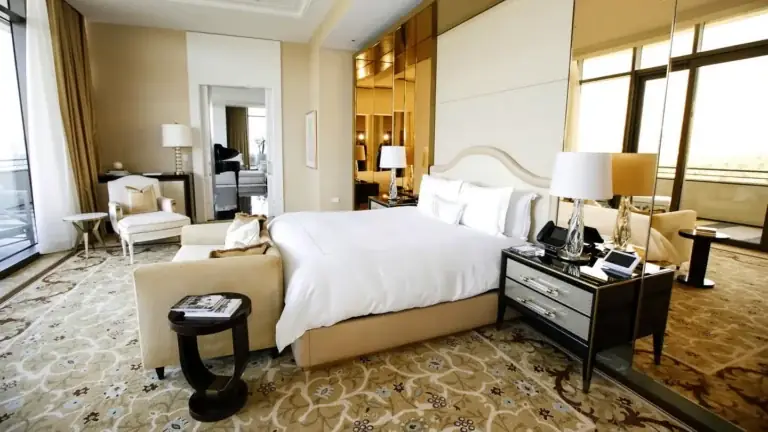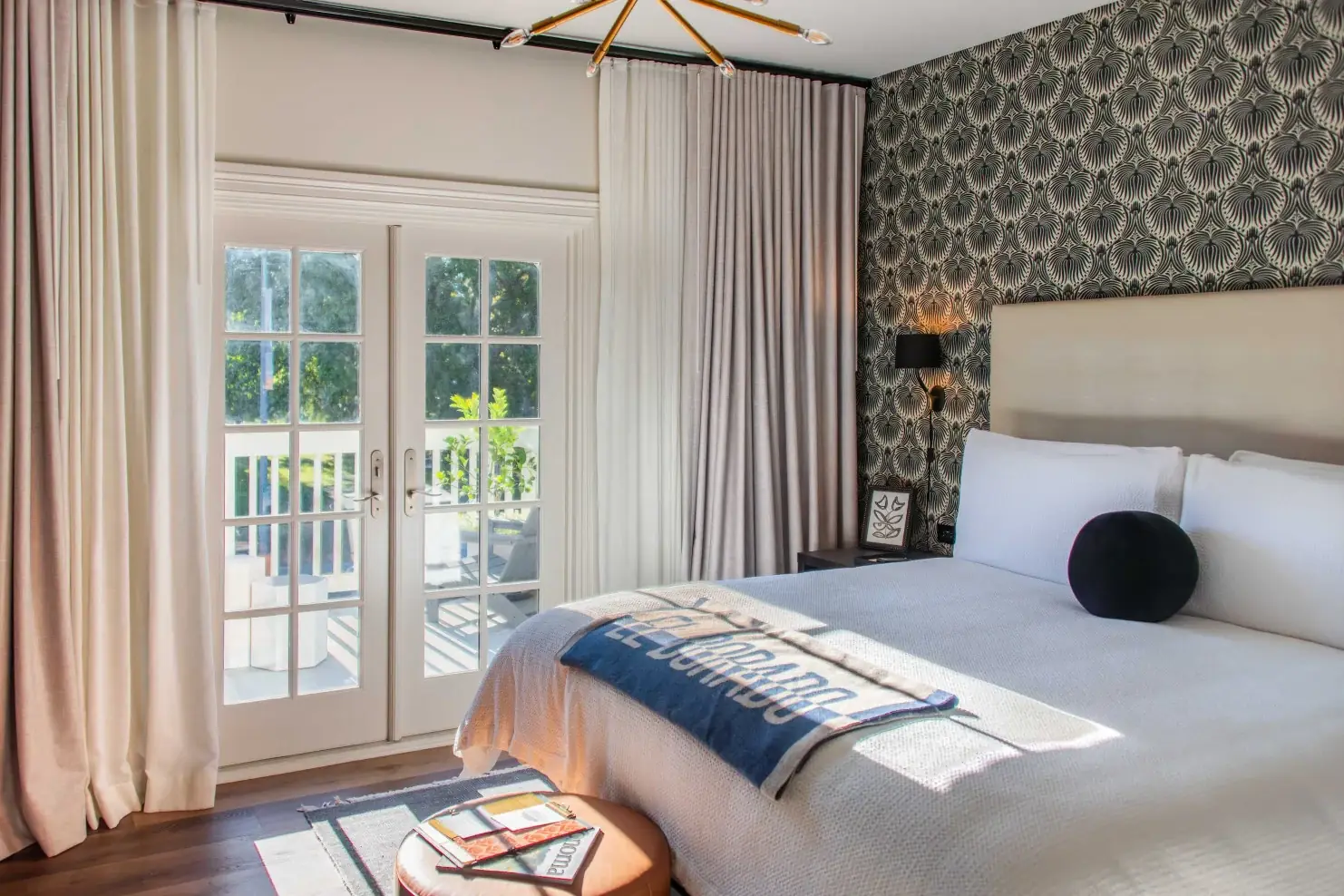
Boutique Five-Star Suites USA: The Definitive Luxury Guide
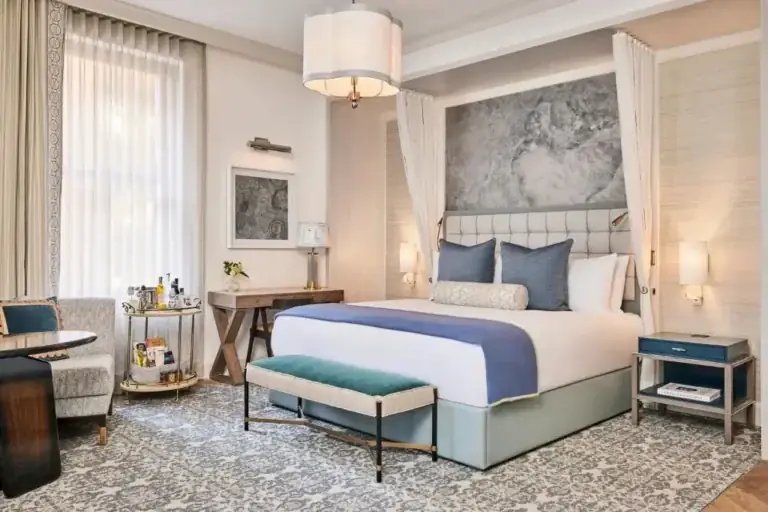
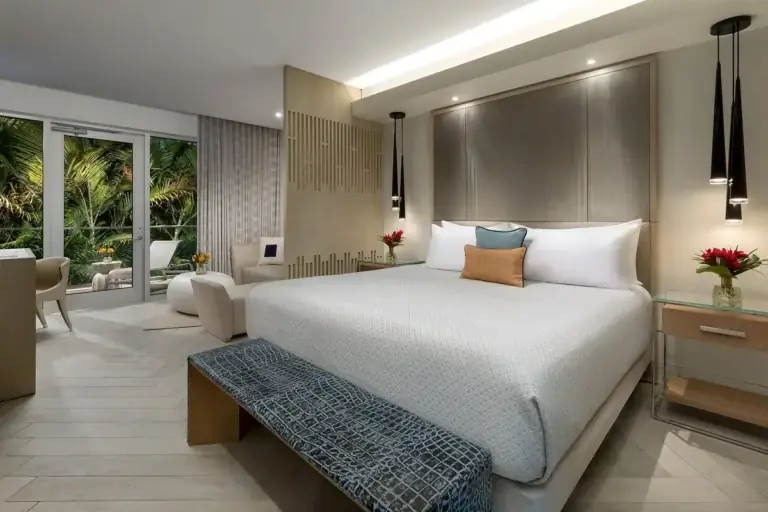
The domestic luxury hospitality landscape has undergone a profound structural shift away from sprawling, uniform mega-resorts toward hyper-curated, scale-restricted properties that prioritize architectural narrative and intense personal discretion. Within this evolving market, high-net-worth travelers and corporate principals increasingly seek intimate accommodations that blend world-class service architecture with distinct regional character. Discovering and evaluating boutique five-star suites usa properties requires an analytical framework capable of distinguishing genuine independent craftsmanship from corporate luxury branding disguised as localized charm.
Navigating this specialized segment demands a rigorous examination of how independent luxury properties operate, where standardized multi-national service models fail, and how intimate architectural footprints alter the guest experience. As affluent travelers demand greater privacy, unique design provenance, and hyper-personalized itineraries, understanding the operational mechanics of independent luxury properties has become an essential competency. Dissecting these operational frameworks provides a definitive window into the economic and cultural realities governing premier intimate accommodations nationwide.
Understanding “boutique five-star suites usa”
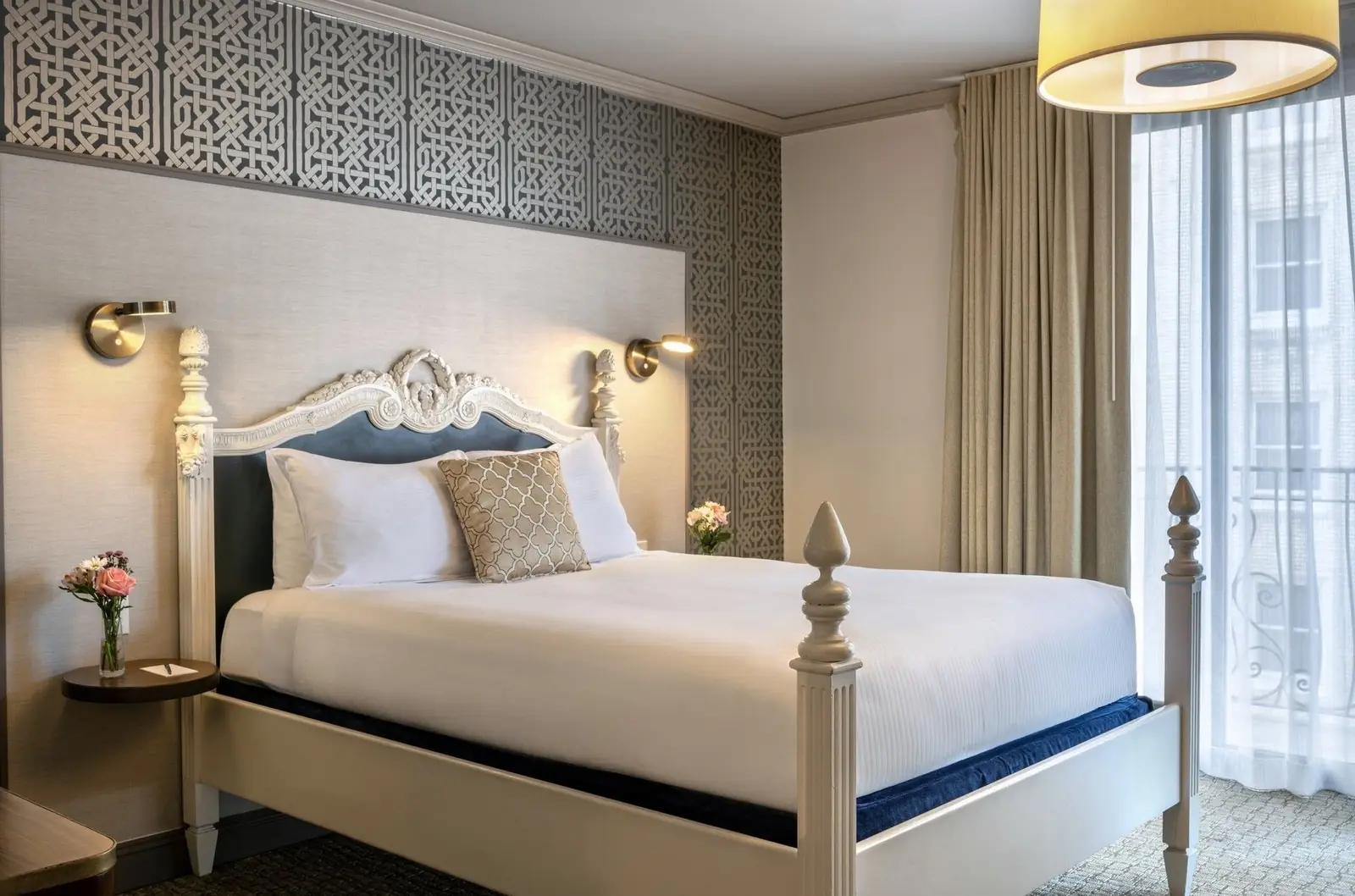
The analytical discipline required to evaluate boutique five-star suites usa offerings encompasses the architectural, operational, and financial criteria that separate mass-market five-star hotels from true independent luxury flagships. Unlike large urban grand hotels that manage hundreds of keys and maintain standardized corporate structures, boutique properties operate with restricted room counts, allowing for bespoke interior design, highly flexible butler allocations, and deep integration into local cultural landscapes. Consequently, evaluating these properties requires a specialized methodology that weighs spatial intimacy against the breadth of institutional amenities.
Common misunderstandings center on the assumption that a smaller room count implies a lack of robust infrastructure, such as secure data networks, wellness facilities, or 24-hour in-suite dining. In reality, premier independent properties maintain elite service ratios where staff-to-guest proportions often exceed those of large institutional competitors. Furthermore, observers frequently confuse boutique styling with trendy lifestyle branding, ignoring the rigorous historical preservation, acoustic engineering, and high-end material sourcing required to achieve true five-star standards on a intimate scale.
Oversimplification risks empower travelers to rely strictly on glossy design photography rather than conducting operational due diligence. Recognizing the true nature of boutique five-star suites usa assets demands deep contextual scrutiny regarding property management autonomy, culinary provenance, and privacy protocols. Effective mastery of these variables requires a multi-dimensional evaluation of both design integrity and back-of-house operational efficiency.
Deep Contextual Background
The evolution of independent luxury hospitality reflects a decades-long reaction against the homogenization of global hotel chains during the late twentieth century. For decades, affluent travelers encountered identical corporate aesthetics, predictable suite layouts, and standardized service protocols regardless of whether they checked into properties in New York, San Francisco, or Chicago.
During the early twenty-first century, a vanguard of independent hoteliers, visionary architects, and boutique ownership groups challenged this paradigm by restoring historic brownstones, industrial warehouses, and remote coastal estates into ultra-exclusive properties. These independents leveraged their small scale to offer hyper-localized experiences, commissioning custom millwork, local artisanal furnishings, and bespoke culinary programs that reflected the unique spirit of their geographic surroundings. This movement redefined the American luxury benchmark, proving that intimacy and scale-restriction could command higher nightly tariffs than massive institutional towers.
The contemporary era represents an absolute convergence of bespoke design sensibility and sophisticated digital guest governance. Modern independent operators deploy advanced property management systems while preserving an old-world analog discretion that appeals to privacy-conscious principals, creative elites, and executive leadership teams. This ongoing evolution ensures that understanding independent luxury real estate remains vital for modern travel curation.
Conceptual Frameworks and Mental Models
Assessing the performance and suitability of intimate luxury properties requires structured analytical frameworks that weigh multiple competing architectural and operational variables.
The Scale-Intimacy Equilibrium Model
This framework maps property key counts against staff-to-guest ratios to determine whether a boutique asset maintains genuine high-touch service delivery or suffers from administrative overextension.
The Architectural Provenance Taxonomy
This analytical lens evaluates the structural origin of a property—distinguishing between adaptive reuse historical landmarks, purpose-built design hotels, and secluded natural retreats—to gauge spatial authenticity.
The Operational Autonomy Equation
This model weighs the degree of independent management control against affiliation with independent luxury consortia, measuring institutional backing versus creative freedom.
The Privacy-Access Continuum
This framework tracks physical security staging, discrete arrival pathways, and public area exposure to evaluate vulnerability to digital and physical intrusion.
Key Categories or Variations
The landscape of independent luxury properties encompasses several distinct architectural and operational categories, each presenting unique trade-offs.
The Historic Urban Brownstone Suite
Multi-story residences integrated into restored nineteenth-century townhomes or architectural landmarks within dense metropolitan cultural centers. It offers unmatched historical character and central positioning, offset by tight vertical circulation and occasional historic zoning limitations.
The Coastal Cliffside Wellness Villa
Secluded, low-density compounds situated along rugged shorelines, featuring private plunge pools and holistic wellness infrastructure. It provides ultimate privacy and natural restoration, offset by remote access logistics and weather vulnerability.
The Desert Modernist Compound
Minimalist architectural pavilions nestled into arid landscapes, prioritizing indoor-outdoor flow, natural light, and structural isolation. It delivers extraordinary visual drama and acoustic quiet, offset by high climate-control energy loads and maintenance demands.
The Agricultural Estate Suite
Working vineyards, orchards, or historic farms transformed into hyper-exclusive rural retreats featuring farm-to-table culinary integration. It offers authentic agrarian connection and expansive acreage, offset by distance from urban commercial infrastructure.
The Industrial Heritage Loft
Converted nineteenth-century manufacturing facilities featuring soaring timber ceilings, exposed brick, and massive steel-framed windows. It presents striking industrial aesthetics and voluminous square footage, offset by acoustic management challenges across hard surfaces.
The Mountain Sanctuary Chalet
High-altitude timber and stone estates offering direct ski-in access, rugged alpine views, and roaring stone hearths. It creates cozy, high-end mountain seclusion, offset by seasonal demand swings and unpredictable winter transit routes.
Boutique Luxury Property Category Comparison Matrix
| Property Category | Architectural Profile | Core Experiential Advantage | Primary Operational Trade-Off |
| Urban Brownstone | Restored historic townhomes | Central cultural access and character | Tight vertical circulation limits |
| Coastal Wellness Villa | Secluded shoreline compounds | Ultimate privacy and natural calm | Remote logistics and access friction |
| Desert Modernist | Minimalist arid pavilions | Visual drama and acoustic quiet | High climate-control energy loads |
| Agricultural Estate | Converted vineyards or farms | Agrarian connection and acreage | Distance from urban infrastructure |
| Industrial Heritage | Converted manufacturing lofts | Voluminous square footage and loft scale | Acoustic management across hard surfaces |
| Mountain Sanctuary | High-altitude timber chalets | Direct alpine access and hearth luxury | Seasonal demand swings and transit risk |
Realistic Decision Logic
Selecting the appropriate independent property category requires aligning the asset’s architectural profile with the primary objective of the residency. Specifically, if a corporate executive or creative director requires immediate access to urban financial hubs and media centers while maintaining absolute privacy, historic urban brownstones or industrial lofts represent the optimal choice. Conversely, if the objective is complete psychological decompression and executive retreat, coastal wellness villas or desert modernist compounds should be prioritized. Planners must evaluate assets using a strict situational matrix before confirming reservations.
Detailed Real-World Scenarios
The Urban Brownstone Executive Residency
A venture capital firm hosting an intimate series of board negotiations in New York City bypassed traditional glass-tower hotels in favor of a restored historic brownstone featuring just twelve exclusive suites. The property’s private parlor floor served as a secure meeting enclave, while the dedicated butler team managed confidential catering and discrete evening arrivals, shielding the executives from public hotel foot traffic.
The Coastal Wellness Retreat Sabbatical
A technology founder seeking an extended period of strategic deep work secured a cliffside villa along the Northern California coast. The property’s strict guest cap of twenty total residents eliminated public noise and allowed the founder uninterrupted focus, supported by a personalized nutrition and wellness program curated daily by the resident executive chef.
The Desert Modernist Creative Summit
A design collective coordinating a high-stakes product launch utilized an isolated desert compound in Arizona. The expansive glass pavilions and integrated acoustic design allowed collaborative workshops to run seamlessly without disturbing neighboring guests, while private airstrip coordination ensured smooth transit for international participants.
The Agricultural Estate Family Office Gathering
A multi-generational family office utilized a restored wine estate in the Hudson Valley for an annual governance summit. The private acreage provided secure children’s programming and executive conference spaces concurrently, balancing family leisure with rigorous strategic planning sessions.
Planning, Cost, and Resource Dynamics
The financial architecture of booking and experiencing boutique five-star suites usa properties involves balancing premium nightly tariffs against the comprehensive value of hyper-personalized service inclusions. Direct monetary costs frequently exceed those of standard chain hotels due to the labor-intensive staffing models required to maintain independent five-star standards.
Opportunity costs manifest clearly in inventory scarcity. Because these properties maintain minimal key counts, booking windows must be established months in advance, and cancellation flexibility is often tightly restricted to protect the property’s delicate revenue model.
| Expense Category | Typical Variance Range | Primary Cost Drivers | Mitigation Strategy |
| Nightly Suite Tariffs | $1,500 to $6,500+ per night | Custom design; high staff-to-guest ratios | Book during shoulder-season transition windows |
| Advisory & Consortia Fees | $0 to $500 per stay | Specialized luxury booking networks | Utilize preferred partner agencies for added value |
| Ancillary Service Markups | 15% to 30% above standard | Artisanal dining and private wellness | Negotiate bundled half-board packages in advance |
| Cancellation Forfeiture Risk | 50% to 100% of deposit | Strict inventory holding policies | Secure comprehensive boutique travel insurance |
Tools, Strategies, and Support Systems
Executing error-free reservations and maximizing the value of independent luxury properties requires specialized digital platforms and professional advisory networks.
-
Independent Luxury Consortia Portals: Utilizing invitation-only travel networks that specialize in auditing and booking independent five-star boutique properties.
-
Direct Property Concierge Directives: Establishing communication lines with head concierges weeks prior to arrival to curate custom itineraries and dietary profiles.
-
Bespoke Architectural Floor-Plan Review: Analyzing exact room schematics to verify ceiling heights, window orientations, and spatial privacy before confirming deposits.
-
Secure Enterprise IT Coordination: Pre-approving encrypted network setups with property engineering teams for executives requiring high-security connectivity.
-
Private Aviation Ground Linkages: Coordinating seamless helicopter or private car transfers between regional airstrips and remote boutique properties.
-
Independent Review and Provenance Audits: Utilizing architectural and design publications to verify the authentic pedigree and material quality of boutique properties.
Risk Landscape and Failure Modes
Implementing travel strategies focused on independent boutique properties exposes principals to compounding operational risk vulnerabilities. The primary hazard involves operational fragility. Unlike massive multinational hotel groups that maintain deep corporate safety nets and standardized emergency protocols, independent boutique properties can experience acute operational disruptions if key personnel—such as the general manager or executive chef—depart unexpectedly.
Another critical risk category involves the tension between historic preservation and modern infrastructure. Properties housed within historical brownstones or heritage industrial lofts occasionally struggle with legacy plumbing, elevator maintenance, or electrical grid capacity during peak usage periods, highlighting the necessity of verifying technical updates prior to booking.
Governance, Maintenance, and Long-Term Adaptation
Maintaining an authoritative capability in evaluating independent luxury properties requires continuous market surveillance and structured review cadences. As boutique ownership groups shift management contracts or undergo structural renovations, evaluation metrics must adapt accordingly.
-
Adjustment Triggers: Define explicit operational signals—such as ownership changes, staff turnover spikes, or declining architectural maintenance scores—that automatically prompt a reassessment of a property’s preferred status.
-
Annual Portfolio Reviews: Conduct comprehensive audits of historical boutique stays to track brand consistency, service evolution, and emerging design trends across the domestic market.
-
Layered Compliance Checklists: Maintain internal databases tracking which independent properties consistently deliver flawless execution versus those experiencing operational drift.
Measurement, Tracking, and Evaluation
Assessing the true success of an independent luxury suite residency requires balancing quantitative financial metrics against qualitative experiential resonance. Relying exclusively on aesthetic appeal hides potential functional compromises in service execution or privacy.
-
Leading Indicators: Monitor pre-arrival concierge responsiveness, itinerary customization velocity, and preferred partner network verification scores.
-
Lagging Indicators: Analyze total trip expenditure value, service recovery incident rates, and formal post-stay experiential feedback evaluations.
-
Qualitative Signals: Evaluate executive feedback concerning spatial privacy, staff attentiveness, and whether the boutique property delivered a genuinely distinct sense of place.
Common Misconceptions and Oversimplifications
-
Myth: Boutique five-star hotels offer inferior amenities and wellness infrastructure compared to massive multinational resort complexes.
-
Correction: Independent luxury properties frequently feature world-class, highly specialized spa and culinary programs tailored specifically to their intimate guest roster.
-
-
Myth: Booking an independent boutique suite guarantees complete anonymity and isolation from other travelers.
-
Correction: While intimate, boutique properties with active public restaurants and lounges still experience external visitor traffic requiring strategic privacy management.
-
-
Myth: All properties marketed as boutique luxury maintain genuine historical or architectural provenance.
-
Correction: Many commercial properties adopt boutique marketing terminology while operating standard, mass-produced room configurations lacking authentic design integrity.
-
-
Myth: Independent luxury hotels are inherently less secure regarding data privacy and network infrastructure than major corporate chains.
-
Correction: Premier boutique properties routinely deploy state-of-the-art secure networks specifically tailored to protect high-net-worth principals and corporate leaders.
-
-
Myth: Reviewing design photography is sufficient to determine the operational quality of an independent luxury suite.
-
Correction: Photographic aesthetics can conceal acoustic flaws, spatial tightness, or structural maintenance issues that only operational due diligence reveals.
-
Ethical, Practical, or Contextual Considerations
Engaging with independent luxury properties carries significant responsibilities regarding respectful interaction with local communities, historic preservation districts, and artisan labor forces. While travelers must fiercely protect their financial and privacy interests through rigorous pre-arrival audits, adversarial interactions that disrespect local cultural norms or strain small-scale property staffing models damage professional goodwill.
Travel planners and discerning principals must balance the pursuit of absolute perfection with a supportive appreciation for independent hospitality operations. Ensuring that luxury curation focuses on supporting authentic architectural preservation, respecting local labor standards, and honoring property operational frameworks fosters a sustainable, highly sophisticated approach to domestic luxury travel.
Conclusion
Mastering the evaluation and curation of boutique five-star suites usa properties requires intellectual rigor, architectural literacy, and a commitment to looking past surface-level marketing aesthetics. While intimate independent accommodations demand higher planning diligence than standard chain hotels, understanding the intricate interplay of scale-intimacy equilibria, architectural provenance, and hyper-personalized service delivery transforms travel curation into a powerful strategic art. By balancing rigorous operational oversight with an appreciation for independent hospitality craftsmanship, organizations and discerning travelers can successfully secure extraordinary, culturally resonant residencies at the absolute summit of domestic hospitality.