Top Hospitality Retreats in America: The Definitive Guide
The modern transformation of high-end leisure and restorative travel across the United States reflects a fundamental movement away from standardized corporate luxury toward hyper-curated, environmentally integrated sanctuaries. Across remote wilderness preserves, coastal bluffs, and agrarian estates, elite properties are redefining what it means to offer sanctuary, privacy, and profound physical restoration. Investigating the architecture of top hospitality retreats in america demands a rigorous examination of the operational, spatial, and psychological components that elevate an exceptional property into a permanent landmark of cultural authority.
Navigating this rarefied sector requires a deep understanding of how service models intersect with ecological stewardship, why traditional hospitality metrics fail when applied to scale-restricted properties, and how high-net-worth travelers evaluate true exclusivity. As expectations around privacy, environmental harmony, and bespoke wellness evolve, studying the operational mechanics of premier American retreats provides an indispensable lens into the future of high-end leisure.
Understanding “top hospitality retreats in america”
The analytical discipline required to evaluate top hospitality retreats in america encompasses the structural, ecological, and service criteria that separate standard high-end resorts from true destination sanctuaries. Unlike urban grand hotels designed for high-turnover transient commerce, elite retreats operate with heavily restricted key counts, often maintaining fewer than fifty or seventy-five independent keys to preserve absolute quiet, individualized attention, and ecological equilibrium.
Common misunderstandings center on the assumption that a rustic or secluded setting implies a compromise in technical infrastructure, culinary sophistication, or service intuitiveness. In practice, premier retreats maintain extraordinary staff-to-guest ratios where back-of-house logistics, private wellness programming, and farm-to-table culinary operations are executed with absolute precision. Furthermore, observers frequently confuse marketing descriptors like boutique or wellness-focused with institutional standards, ignoring the rigorous landscape engineering, architectural permanence, and localized cultural stewardship required to achieve elite status.
Oversimplification risks encourage travelers and commentators to rely on glossy design photography or awards lists rather than conducting structural operational due diligence. Recognizing the true nature of elite American retreats demands deep scrutiny regarding water sourcing, energy autonomy, acoustic privacy, and the authenticity of regional integration. Effective mastery of these variables requires a multi-dimensional evaluation of both environmental design and hospitality execution.
Deep Contextual Background
The evolution of premier American hospitality retreats reflects a century-long shift in how affluent travelers seek restoration away from urban centers. During the late nineteenth and early twentieth centuries, wealthy industrialists established sprawling wilderness camps in the Adirondacks and private estates across the Hudson Valley and coastal New England, blending grand European hospitality traditions with rugged American topography.
As post-war commercial tourism expanded and standardized interstate motels and mega-resorts dominated the mid-twentieth-century landscape, true seclusion became rare. However, the late twentieth and early twenty-first centuries witnessed a powerful counter-movement. Visionary hoteliers, ecological architects, and preservation-minded ownership groups began restoring historic ranches, remote coastal cliffs, and agricultural valleys into ultra-exclusive retreats. These properties rejected mass-market uniformity in favor of deep contextual integration, vernacular architecture, and hyper-personalized guest governance.
The contemporary era represents an absolute convergence of evidence-based wellness design, sustainable engineering, and intuitive, invisible service. Modern elite retreats deploy advanced environmental management systems while preserving an analog sense of peace that appeals to privacy-conscious principals and creative leaders. This ongoing evolution ensures that understanding the landscape of premier domestic retreats remains vital for modern travel curation and asset management.
Conceptual Frameworks and Mental Models
Assessing the performance and suitability of premier hospitality retreats requires structured analytical frameworks that weigh multiple competing environmental and operational variables.
The Ecological-Capacity Equilibrium Index
This framework maps key counts and spatial acreage against local resource consumption to verify whether a retreat maintains genuine environmental sustainability or contributes to over-tourism.
The Spatial Isolation and Acoustic Privacy Model
This analytical lens evaluates how architectural layouts, natural topography, and zoning protect guests from visual and acoustic intrusion across shared spaces.
The Operational Staffing Density Equation
This model weighs dedicated wellness practitioners, private guides, and culinary staff against total guest occupancy to measure service responsiveness and personalization depth.
The Agrarian and Cultural Provenance Continuum
This framework tracks how deeply a property integrates local agricultural sourcing, regional architectural heritage, and indigenous craftsmanship into the daily guest experience.
Key Categories or Variations
The landscape of premier American hospitality retreats encompasses several distinct architectural and geographic categories, each presenting unique trade-offs.
The Wilderness Conservation Lodge
Expansive mountain or forest compounds situated within protected acreage in the Rocky Mountains, Montana, or the Pacific Northwest, prioritizing wildlife viewing and outdoor exploration. It offers unmatched natural scale and active adventure, offset by severe seasonal weather disruptions and remote logistics.
The Coastal Cliffside Sanctuary
Secluded residential retreats clinging to dramatic Pacific or Atlantic shores, featuring open-air pavilions, tidal pools, and marine-focused wellness programs. It delivers absolute visual drama and ocean air immersion, offset by salt-air corrosion maintenance and coastal transit limits.
The Agrarian Wine Country Estate
Working vineyards, olive groves, and historic farmsteads transformed into hyper-exclusive rural retreats in Northern California or the Hudson Valley, featuring immersive culinary education and cellar access. It provides authentic agricultural connection and epicurean depth, offset by localized agritourism traffic during peak harvest months.
The Desert Modernist Oasis
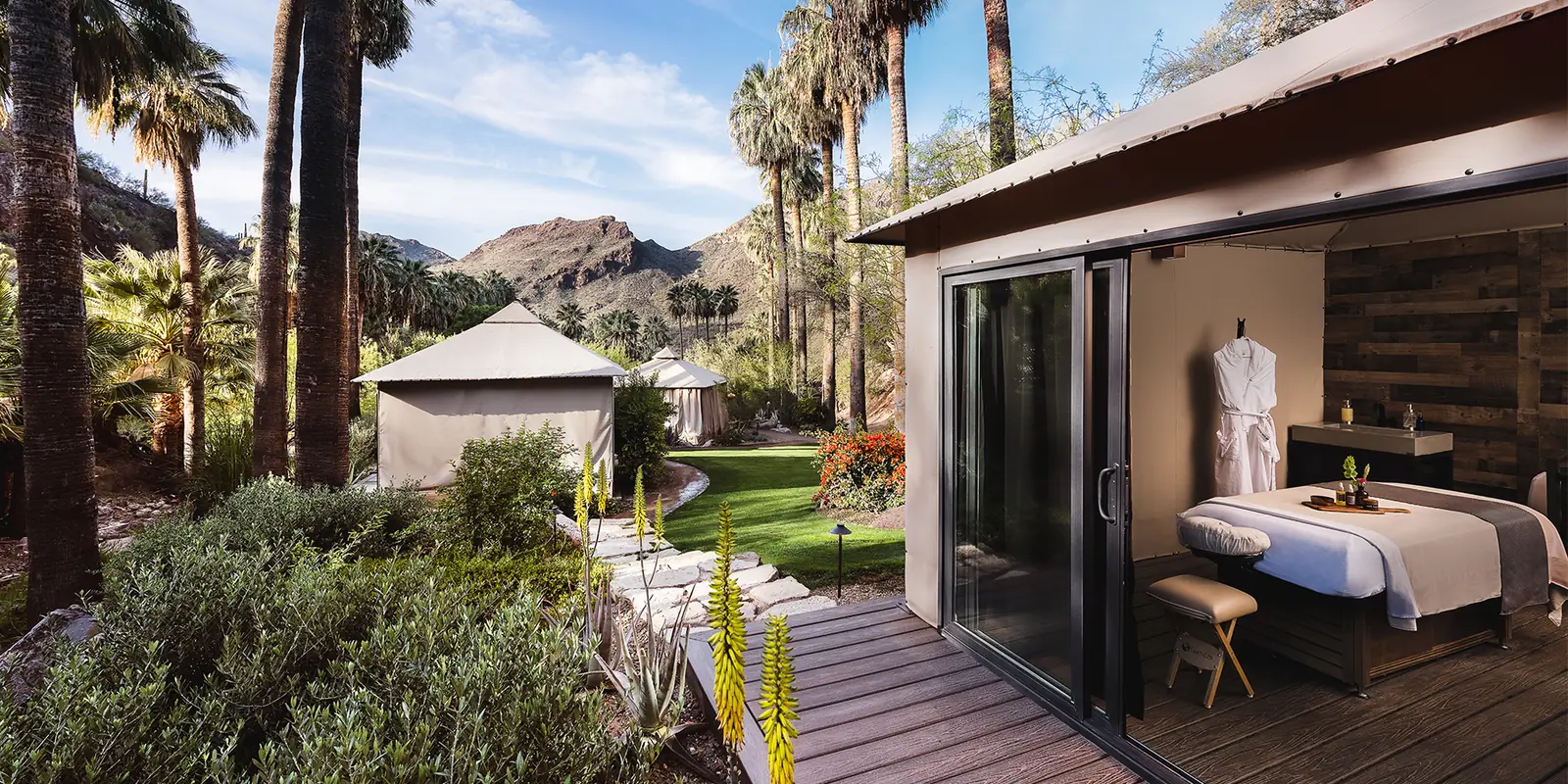
Minimalist architectural pavilions nestled into the arid landscapes of the American Southwest, prioritizing thermal mass design, star-gazing, and silent introspection. It offers extraordinary visual stillness and acoustic quiet, offset by intense climate-control energy demands and summer heat extremes.
The Southern Lowcountry Marshland Resort
Expansive marsh-fringed compounds in South Carolina or Georgia featuring equestrian programs, river navigation, and historic sporting traditions. It presents deep cultural heritage and relaxed social pacing, offset by subtropical humidity and seasonal insect management.
Top American Hospitality Retreat Categories Comparison Matrix
| Retreat Category | Geographic Setting | Core Experiential Advantage | Primary Operational Trade-Off |
| Wilderness Conservation Lodge | Mountain & forest reserves | Expansive nature and active adventure | Severe weather and remote logistics |
| Coastal Cliffside Sanctuary | Pacific or Atlantic shores | Dramatic views and marine calm | Salt-air maintenance and transit limits |
| Agrarian Wine Estate | California or Hudson valleys | Immersive culinary and farm connection | Harvest-season local traffic |
| Desert Modernist Oasis | Arid Southwestern settings | Silence, space, and architectural quiet | Extreme summer heat and energy loads |
| Southern Lowcountry Estate | Coastal marshlands | Equestrian traditions and heritage | Subtropical humidity and pests |
Realistic Decision Logic
Selecting the appropriate retreat category requires aligning the asset’s geographic and environmental profile with the primary objective of the principal’s stay. Specifically, if a leadership team requires active outdoor team-building combined with absolute wilderness privacy, remote mountain conservation lodges represent the optimal choice. Conversely, if the objective is deep metabolic restoration, culinary immersion, and moderate climate comfort, agrarian wine estates or desert modernist oases should be prioritized. Planners must evaluate assets using a strict situational matrix before confirming long-lead reservations.
Detailed Real-World Scenarios
The Wilderness Executive Reset in Montana
A venture capital partnership organizing an annual strategic retreat bypassed traditional conference centers in favor of an isolated conservation lodge in western Montana. The property’s private acreage and dedicated wilderness guides allowed executives to conduct morning strategy sessions during guided fly-fishing excursions, while evening gatherings around open-fire culinary stations fostered intense alignment without digital distractions.
The Coastal Wellness Sabbatical in Big Sur
A creative director seeking an intensive period of psychological recovery and creative writing secured a cliffside wellness sanctuary along the California coast. The property’s strict digital-detox policies, daily hydrotherapy regimens, and cliffside meditation pavilions provided the necessary quietude, supported by a resident nutritionist managing a customized metabolic meal plan.
The Agrarian Family Office Summit in Sonoma
A multi-generational family office utilized a working wine estate in Northern California for a week-long governance summit. The expansive estate allowed children’s viticulture workshops and adult investment seminars to run concurrently in separate historic barns, while private estate dinners highlighted local farm-to-table sourcing and regional winemaking heritage.
The Desert Modernist Architectural Retreat in Arizona
An architectural design collective coordinating a multi-week research residency utilized an isolated desert compound in the Sonoran Desert. The property’s heavy rammed-earth construction and deep shaded courtyards allowed collaborative workshops to run comfortably in extreme ambient heat, while evening stargazing sessions provided profound inspiration.
Planning, Cost, and Resource Dynamics
The financial architecture of booking and experiencing premier American retreats involves balancing premium nightly or weekly tariffs against the comprehensive value of all-inclusive programming, private guiding, and bespoke wellness infrastructure. Direct monetary costs frequently range from two thousand to upwards of ten thousand dollars per night, reflecting the labor-intensive staffing models and expansive land management required to maintain these properties.
Opportunity costs manifest clearly in inventory availability and seasonal booking windows. Because flagship retreats maintain minimal key counts to protect environmental integrity, reservations must be secured many months in advance, and cancellation policies are strictly enforced.
| Expense Category | Typical Variance Range | Primary Cost Drivers | Mitigation Strategy |
| Nightly Retreat Tariffs | $2,000 to $10,000+ per night | Land acreage; staff ratio; exclusivity | Book during shoulder-season transition windows |
| Specialized Guiding & Wellness | $500 to $2,500 daily | Expert practitioners and private access | Bundle comprehensive multi-day wellness packages |
| Private Air & Ground Transfer | $1,000 to $5,000 per leg | Remote wilderness airstrip logistics | Coordinate regional transit through property liaisons |
| Cancellation Forfeiture Risk | 50% to 100% of deposit | Strict inventory holding policies | Secure comprehensive experiential travel insurance |
Tools, Strategies, and Support Systems
Executing error-free reservations and maximizing the value of premier domestic retreats requires specialized digital platforms and professional advisory networks.
-
Invitation-Only Travel Advisory Portals: Utilizing elite consortia networks that maintain direct communication lines with retreat owners and managing directors.
-
Direct General Manager Liaison Channels: Establishing direct communication lines weeks prior to arrival to coordinate dietary profiles, wellness goals, and guide assignments.
-
Bespoke Environmental and Weather Auditing: Analyzing micro-climate data, seasonal rainfall patterns, and wildfire risk histories before confirming travel dates.
-
Secure Enterprise IT Coordination: Pre-approving encrypted satellite or fiber network setups with property engineering teams for executives requiring ongoing connectivity.
-
Private Aviation Ground Linkages: Coordinating seamless tarmac-to-lodge helicopter or four-wheel-drive transfers between regional airstrips and remote property gates.
-
Wellness Intake Coordination: Completing pre-arrival biometric and nutritional intake forms to allow retreat wellness directors to tailor daily schedules prior to check-in.
Risk Landscape and Failure Modes
Implementing travel strategies focused on remote hospitality retreats exposes principals to compounding operational risk vulnerabilities. The primary hazard involves environmental exposure and climate disruptions. Because premier retreats are frequently situated in pristine wilderness, coastal cliffs, or arid deserts, properties are susceptible to seasonal weather events such as wildfires, heavy snowfall, flash floods, or severe coastal storms.
Another critical risk category involves service fragility in remote environments. Due to geographical isolation, supply chain delays for specialized culinary items or technical repairs can occasionally impact the seamless delivery of luxury services, highlighting the necessity of verifying property redundancies like emergency power generators and on-site water purification systems.
Governance, Maintenance, and Long-Term Adaptation
Maintaining an authoritative capability in evaluating premier domestic retreats requires continuous market surveillance and structured review cadences. As property ownership groups shift management contracts or undergo environmental restoration projects, evaluation metrics must adapt accordingly.
-
Adjustment Triggers: Define explicit operational signals—such as ownership changes, ecological degradation signs, or declining wellness standard scores—that automatically prompt a reassessment of a property’s preferred status.
-
Annual Portfolio Reviews: Conduct comprehensive audits of historical retreat stays to track brand consistency, environmental stewardship evolution, and emerging wellness trends across the domestic market.
-
Layered Compliance Checklists: Maintain internal databases tracking which flagship properties consistently deliver flawless execution versus those experiencing operational drift.
Measurement, Tracking, and Evaluation
Assessing the true success of a retreat residency requires balancing quantitative financial metrics against qualitative psychological and physiological restoration signals. Relying exclusively on aesthetic luxury hides potential functional compromises in service execution or environmental comfort.
-
Leading Indicators: Monitor pre-arrival wellness intake responsiveness, guide matching precision, and preferred partner network verification scores.
-
Lagging Indicators: Analyze total trip expenditure value, service recovery incident rates, and formal post-stay experiential feedback evaluations.
-
Qualitative Signals: Evaluate executive feedback concerning psychological decompression, sleep quality improvements, and whether the retreat delivered a genuinely transformative connection to nature.
Common Misconceptions and Oversimplifications
-
Myth: Booking a remote wilderness retreat means sacrificing high-speed connectivity and modern technological infrastructure.
-
Correction: Premier retreats deploy advanced, discrete satellite and fiber networks specifically designed to support executives requiring secure connectivity while isolated.
-
-
Myth: All properties marketed as wellness retreats offer medically rigorous, personalized health programming.
-
Correction: Many commercial properties utilize wellness branding casually, whereas true top-tier retreats integrate clinical diagnostics, certified physiotherapists, and bespoke metabolic planning.
-
-
Myth: The most expensive retreat properties are automatically the most ecologically sustainable.
-
Correction: True environmental sustainability depends on rigorous land stewardship, water recycling, and carbon reduction, which require independent architectural verification beyond nightly tariffs.
-
-
Myth: Reviewing promotional landscape photography is sufficient to understand the acoustic privacy and spatial isolation of a retreat suite.
-
Correction: Marketing imagery often masks proximity to shared pathways or service roads, requiring detailed floor-plan and topography reviews.
-
-
Myth: Remote hospitality retreats are immune to operational service issues because of their high staff-to-guest ratios.
-
Correction: Geographical isolation can introduce supply chain and staffing retention challenges that require robust management contingencies.
-
Ethical, Practical, or Contextual Considerations
Engaging deeply with top hospitality retreats in america carries significant responsibilities regarding respectful interaction with local ecosystems, indigenous cultural heritage, and regional rural communities. While travelers must fiercely protect their privacy, health, and financial investments through rigorous pre-arrival audits, adversarial interactions that disrespect local environmental guidelines or strain small-scale property staffing models damage professional goodwill.
Travel planners and discerning principals must balance the pursuit of absolute personal restoration with a supportive appreciation for ecological stewardship and rural hospitality operations. Ensuring that elite curation focuses on supporting regenerative tourism, respecting local land protections, and honoring artisanal craftsmanship fosters a sustainable, highly sophisticated approach to domestic retreat travel.
Conclusion
Mastering the evaluation and curation of top hospitality retreats in america requires intellectual rigor, architectural literacy, and a commitment to looking past surface-level marketing aesthetics. While remote luxury accommodations demand higher planning diligence and financial investment than standard urban hotels, understanding the intricate interplay of ecological capacity, spatial privacy, and bespoke wellness execution transforms travel curation into a powerful strategic art. By balancing rigorous operational oversight with an appreciation for environmental stewardship and hospitality craftsmanship, organizations and discerning travelers can successfully secure extraordinary, transformative residencies at the absolute summit of American leisure.