American Five-Star Suites Lifestyle: The Definitive Guide
The upper echelon of domestic hospitality reflects far more than mere architectural scale or extravagant material ornamentation. Across metropolitan high-rises, sprawling coastal compounds, and secluded mountain hideaways, premier residential living serves as a sophisticated cultural indicator for high-net-worth principals, corporate leaders, and global nomads. Examining the american five-star suites lifestyle requires a rigorous analytical approach that looks past promotional imagery to understand the intricate socio-economic, spatial, and psychological dimensions governing ultra-luxury residential spaces nationwide.
Navigating this rarefied domain demands a clear understanding of how luxury service architectures operate, where traditional hospitality models intersect with private residential management, and why conventional travel consumer habits fail when applied to flagship suites. As wealth migration patterns shift and demands for absolute privacy and hyper-personalization intensify, studying the structural realities of elite domestic residency has become an essential competency. Dissecting these operational ecosystems provides a definitive window into the cultural and economic standards shaping premier American hospitality.
Understanding “american five-star suites lifestyle”
The analytical discipline required to evaluate the american five-star suites lifestyle encompasses the behavioral, spatial, and economic criteria that separate standard luxury travel from permanent or semi-permanent residential occupancy in flagship hotel assets. Unlike transient hotel guests who utilize standard accommodations for brief leisure or corporate trips, long-term suite residents engage with properties as dynamic ecosystems requiring synchronized security, bespoke culinary programming, and seamless administrative support.
Common misunderstandings center on the assumption that living within a premier five-star suite is purely an exercise in passive consumption and leisurely luxury. In practice, maintaining a high-functioning residency requires active coordination between personal security details, private family offices, and property management teams. Furthermore, observers frequently confuse high nightly tariffs with comprehensive service integration, ignoring the complex contractual riders and logistical negotiations necessary to maintain operational discretion in multi-room urban penthouses or resort villas.
Oversimplification risks empower affluent travelers and lifestyle commentators to treat premier suite living as a status symbol rather than an intricate operational discipline. Recognizing the true mechanics of the american five-star suites lifestyle demands deep scrutiny regarding private elevator routing, secure local networking, and the delicate balance between hotel public operations and private residential isolation. Effective mastery of these variables requires a multi-dimensional evaluation of both structural real estate design and hospitality execution.
Deep Contextual Background
The evolution of the domestic luxury residency model reflects a century-long transformation within American real estate and hotel architecture. During the Gilded Age and the early twentieth century, grand metropolitan hotels in New York, Chicago, and San Francisco established the residential hotel tradition, where wealthy families and prominent industrialists maintained permanent apartments within premier properties, blending private domestic life with hotel-provided dining, housekeeping, and concierge services.
As suburban expansion and post-war architectural modernism reshaped American cities during the mid-twentieth century, the permanent residential hotel model waned, replaced by transient corporate tourism and standardized hotel management. However, the late twentieth and early twenty-first centuries witnessed a powerful resurgence of ultra-luxury residential suites, driven by the explosive growth of global wealth, the rise of branded residences, and an increasing demand for turnkey living environments that eliminate domestic administrative friction for high-net-worth principals.
The contemporary era represents an absolute convergence of advanced building technology, institutional asset management, and hyper-personalized hospitality. Modern premier suites integrate biometric access controls, encrypted telecommunications infrastructure, and flexible floor plans that support both family life and intensive corporate governance. This ongoing evolution ensures that understanding the landscape of elite American residential suites remains vital for modern lifestyle curation and asset management.
Conceptual Frameworks and Mental Models
Assessing the performance and cultural footprint of top-tier domestic residences requires structured analytical frameworks that weigh multiple competing spatial and operational variables.
The Spatial-Privacy Equilibrium Model
This framework maps private elevator access, subterranean parking arrivals, and secure perimeter shielding against public exposure risks to quantify physical and psychological privacy.
The Operational Service Integration Index
This analytical lens evaluates how smoothly property-level butler, culinary, and engineering teams coordinate with an occupant’s external family office and security personnel.
The Asset-Flexibility Continuum
This model weighs the financial and logistical trade-offs between permanent branded residential ownership and multi-month flagship suite leasing arrangements.
The Cultural Provenance Framework
This model assesses how regional architectural styles, local artisanal materials, and historic preservation guidelines influence the occupant’s daily experiential connection to the destination.
Key Categories or Variations
The landscape of premier American residential suites encompasses several distinct architectural and lifestyle categories, each presenting unique trade-offs.
The Metropolitan Skyline Penthouse
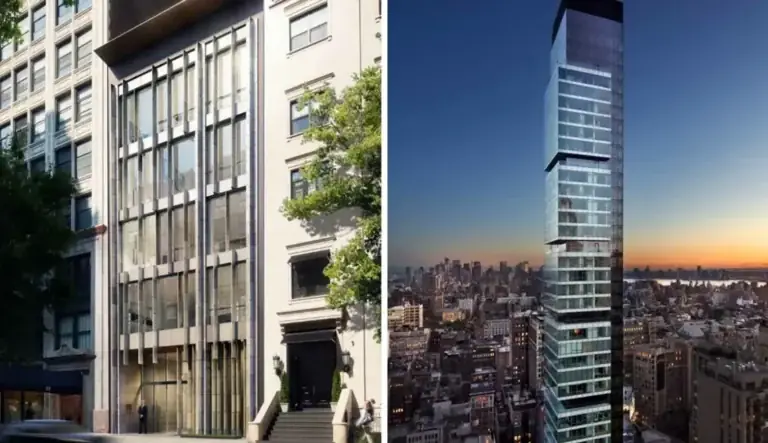
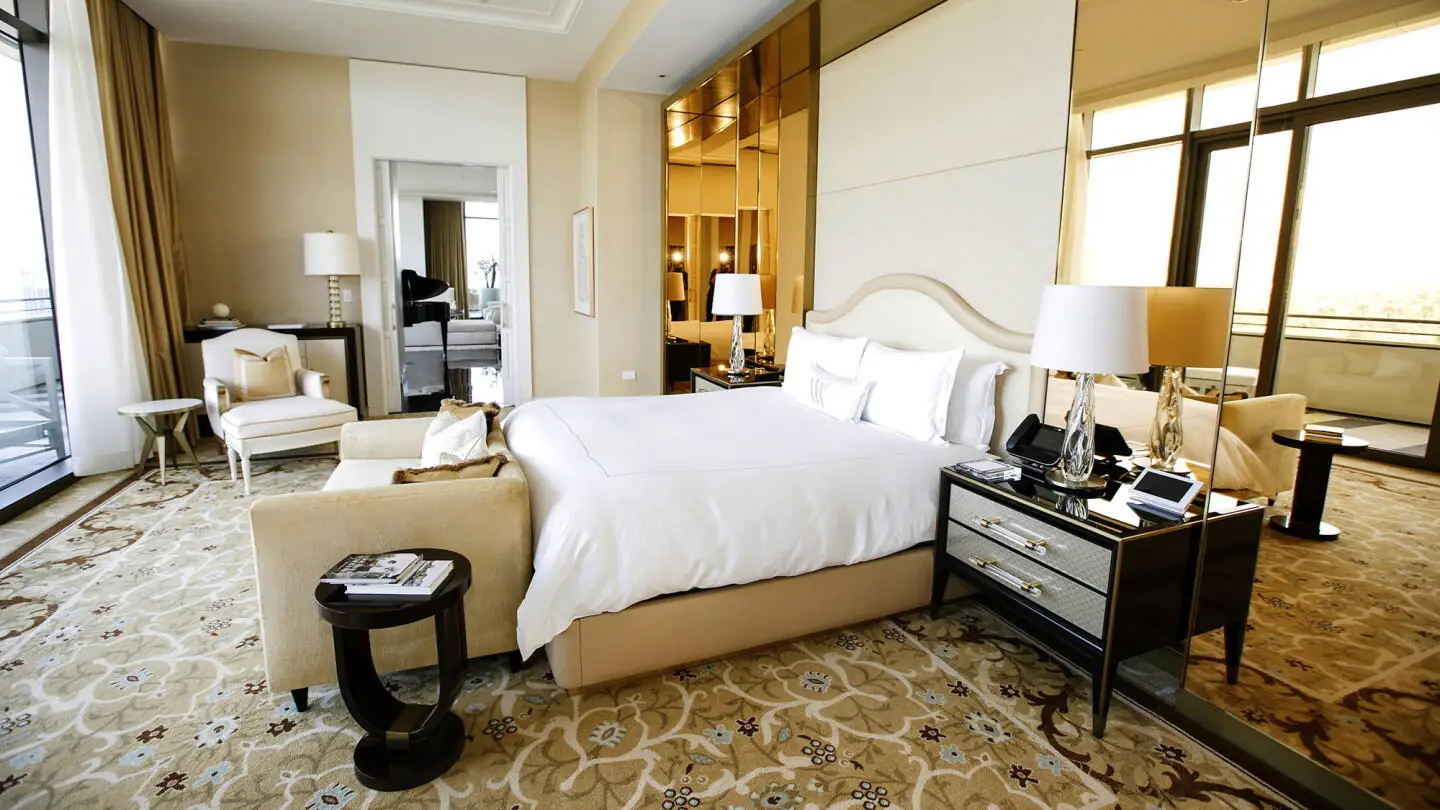
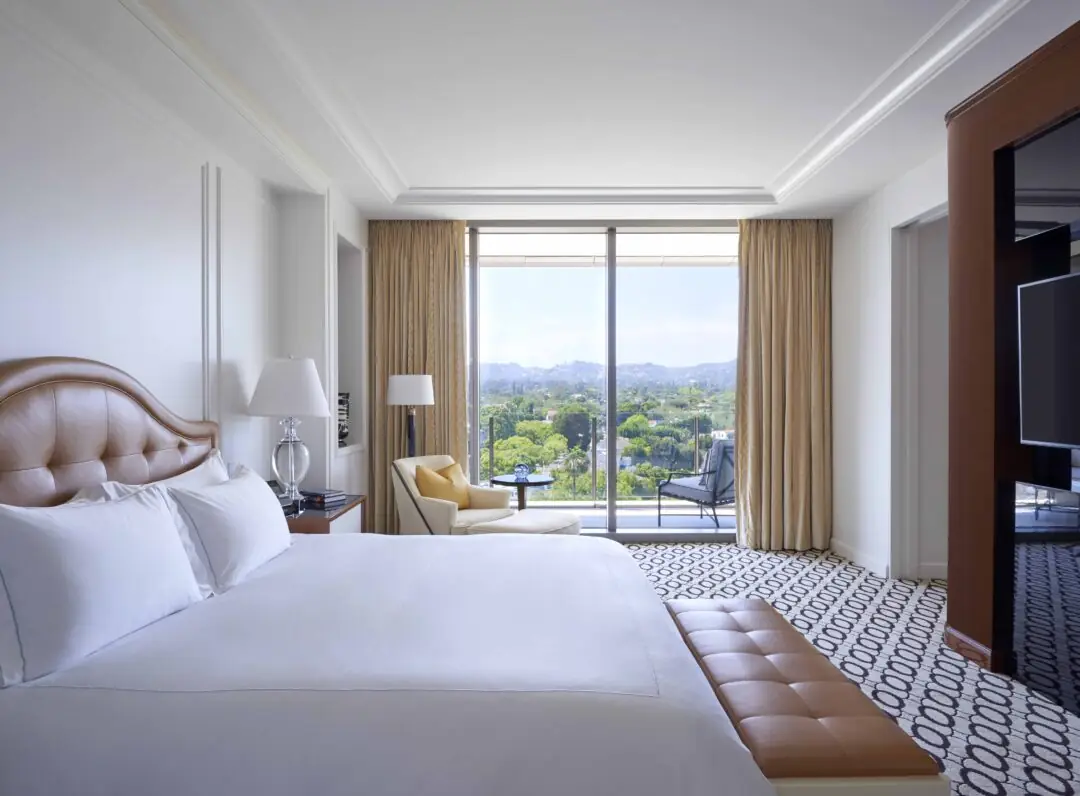
Multi-story glass residences occupying entire upper floors of iconic urban high-rises in New York, Chicago, or Los Angeles. It offers unmatched cultural connectivity and dramatic entertaining spaces, offset by high ambient city noise and elevator transit dependencies.
The Coastal Wellness Compound
Expansive residential suites situated along private shorelines in California or Florida, featuring dedicated wellness infrastructure and open-air pavilions. It delivers absolute natural serenity and physical decompression, offset by marine weather exposure and remote logistics.
The Historic Landmark Heritage Suite
Opulent multi-room suites occupying restored architectural landmarks in Washington, D.C., or Boston, steeped in political and cultural history. It offers classical grandeur and central institutional positioning, offset by rigid historic architectural constraints.
The Mountain Alpine Sanctuary
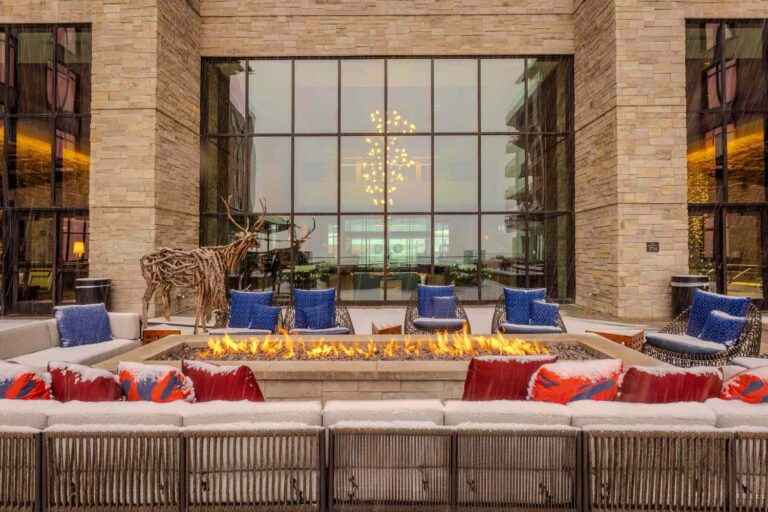
High-altitude timber and stone compounds nestled in Rocky Mountain or Pacific Northwest enclaves, featuring direct ski-in access and massive stone hearths. It creates cozy, high-end mountain seclusion, offset by seasonal weather disruptions and transit challenges.
The Desert Modernist Estate
Expansive glass and masonry compounds set within the arid landscapes of the American Southwest, prioritizing privacy, natural light, and courtyards. It provides extraordinary architectural drama and acoustic quiet, offset by intense climate-control energy demands.
American Luxury Suite Lifestyle Category Comparison Matrix
| Lifestyle Category | Geographic Setting | Core Experiential Advantage | Primary Operational Trade-Off |
| Metropolitan Penthouse | Urban high-rises | Skyline views and cultural access | Ambient noise and transit times |
| Coastal Wellness Compound | Pacific or Atlantic shores | Absolute natural serenity | Marine weather and logistics |
| Historic Landmark | Political & cultural hubs | Classical grandeur and heritage | Rigid architectural limits |
| Mountain Alpine Sanctuary | High-altitude enclaves | Alpine seclusion and hearth luxury | Seasonal weather disruptions |
| Desert Modernist | Arid Southwestern settings | Architectural drama and quiet | Climate-control energy loads |
Realistic Decision Logic
Selecting the appropriate suite lifestyle category requires aligning the asset’s geographic and architectural profile with the primary objective of the principal’s residency. Specifically, if a corporate leader or family office director requires immediate access to financial institutions, media hubs, and legal networks while maintaining strict security, metropolitan tower penthouses or historic landmark estates represent the optimal choice. Conversely, if the objective is complete psychological decompression and family seclusion, coastal wellness compounds or desert modernist estates should be prioritized. Planners must evaluate assets using a strict situational matrix before committing to extended leases or long-term reservations.
Detailed Real-World Scenarios
The Metropolitan Executive Sabbatical
A tech enterprise founder relocating headquarters to New York City utilized a multi-story Manhattan tower penthouse for an extended six-month residency while permanent real estate was being constructed. The private elevator landing and secure basement parking arrival ensured that the founder entered and exited the property completely shielded from public foot traffic, while the expansive living gallery hosted confidential board meetings and media briefings.
The Diplomatic Family Office Wintering
A multi-generational family office managing international assets secured a coastal wellness compound in Southern California for a four-month winter residency. The property’s self-contained compound structure allowed children’s educational tutors and executive strategy sessions to run concurrently in separate wings, supported by a dedicated culinary team managing specialized dietary requirements around the clock.
The Political Strategist Heritage Residency
A high-profile policy advisor engaged in extended legislative negotiations in Washington, D.C., utilized a historic landmark presidential suite for a three-month residency. The suite’s dedicated private study and bullet-resistant glass framing allowed staff to conduct sensitive briefings without leaving the secure perimeter, while the central institutional positioning minimized transit friction during peak legislative cycles.
The Alpine Corporate Governance Summit
An executive leadership team managing a complex corporate merger utilized an isolated mountain chalet suite in Colorado for a month-long strategic residency. The alpine seclusion, combined with encrypted enterprise-grade network infrastructure installed by property engineering, provided the absolute focus and data security required to finalize sensitive agreements.
Planning, Cost, and Resource Dynamics
The financial architecture of sustaining an elite domestic residency involves balancing premium monthly or nightly tariffs against the comprehensive value of integrated security, privacy, and dedicated service infrastructure. Direct monetary costs frequently range from fifty thousand to upwards of two hundred thousand dollars per month, reflecting the scarcity and labor-intensive staffing models of these specialized assets.
Opportunity costs manifest clearly in inventory availability and lead times. Because flagship properties maintain only one or two such suites per key count, long-term leasing agreements must be negotiated many months in advance, and cancellation flexibility is tightly restricted.
| Expense Category | Typical Variance Range | Primary Cost Drivers | Mitigation Strategy |
| Monthly Suite Tariffs | $50,000 to $200,000+ per month | Square footage; security; scarcity | Negotiate long-term residency retainers |
| Advisory & Legal Fees | $2,000 to $10,000 per lease | Complex commercial and liability riders | Retain specialized luxury real estate counsel |
| Security Staging Costs | $5,000 to $20,000 monthly | Advance protective detail lodging | Coordinate integrated security details with property |
| Ancillary Service Markups | 15% to 30% above standard | Artisanal dining and private wellness | Negotiate bundled half-board packages in advance |
Tools, Strategies, and Support Systems
Executing error-free long-term reservations and maximizing the value of premier domestic suites requires specialized digital platforms and professional advisory networks.
-
Invitation-Only Real Estate Portals: Utilizing elite advisory networks that maintain direct communication lines with property managing directors and real estate asset managers.
-
Direct General Manager Liaison Channels: Establishing direct communication lines weeks prior to arrival to coordinate security staging, dietary profiles, and custom room configurations.
-
Bespoke Architectural Floor-Plan Review: Analyzing exact room schematics to verify private elevator access, security exit routes, and bedroom acoustic separation before signing leases.
-
Secure Enterprise IT Coordination: Pre-approving encrypted network setups and dedicated VLAN installations with property engineering teams for executive data security.
-
Private Aviation Ground Linkages: Coordinating seamless tarmac-to-suite helicopter or armored car transfers between regional airports and private property entrances.
-
Protective Services Integration: Collaborating with property security directors to establish staging areas and access protocols for personal security details.
Risk Landscape and Failure Modes
Implementing lifestyle strategies focused on elite residential suites exposes principals to compounding operational risk vulnerabilities. The primary hazard involves privacy breaches and security oversights. Because premier suites attract high-profile individuals, any compromise in elevator access control or public corridor routing can result in severe security vulnerabilities or media exposure.
Another critical risk category involves the tension between grand scale and operational maintenance. Massive multi-room penthouses and expansive resort villas occasionally experience technical complications with integrated smart-home automation, climate control zoning, or private pool engineering during extended usage periods, highlighting the necessity of pre-arrival technical audits and robust maintenance SLAs.
Governance, Maintenance, and Long-Term Adaptation
Maintaining an authoritative capability in evaluating premier domestic suites requires continuous market surveillance and structured review cadences. As luxury properties undergo architectural renovations or management shifts, evaluation metrics must adapt accordingly.
-
Adjustment Triggers: Define explicit operational signals—such as ownership changes, security protocol lapses, or declining architectural maintenance scores—that automatically prompt a reassessment of a property’s preferred status.
-
Annual Portfolio Reviews: Conduct comprehensive audits of historical suite residencies to track brand consistency, service evolution, and emerging security standards across the domestic market.
-
Layered Compliance Checklists: Maintain internal databases tracking which flagship properties consistently deliver flawless execution versus those experiencing operational drift.
Measurement, Tracking, and Evaluation
Assessing the true success of an elite suite residency requires balancing quantitative financial metrics against qualitative security and experiential resonance. Relying exclusively on aesthetic grandeur hides potential functional compromises in privacy execution or service responsiveness.
-
Leading Indicators: Monitor pre-arrival concierge responsiveness, security protocol confirmation velocity, and preferred partner network verification scores.
-
Lagging Indicators: Analyze total residency expenditure value, service recovery incident rates, and formal post-stay experiential feedback evaluations.
-
Qualitative Signals: Evaluate executive feedback concerning absolute privacy, staff attentiveness, and whether the suite delivered a genuinely secure, frictionless residency experience.
Common Misconceptions and Oversimplifications
-
Myth: Living in a five-star hotel suite permanently eliminates all domestic administrative responsibilities.
-
Correction: Long-term suite residency requires active coordination between personal family offices, security details, and hotel management to manage logistics and service expectations.
-
-
Myth: The highest-priced suite in a city is always the most secure and well-suited for high-net-worth principals.
-
Correction: Pricing reflects square footage and aesthetic ornamentation; true security and privacy depend on dedicated architectural ingress and egress routing.
-
-
Myth: Standard hotel security staff can adequately support private security details accompanying high-profile principals during extended stays.
-
Correction: Elite domestic suites require dedicated pre-arrival coordination between private security details and property security directors to establish seamless operational protocols.
-
-
Myth: Reviewing promotional photographs on hotel websites is sufficient to understand the spatial layout and functional livability of a flagship suite.
-
Correction: Marketing imagery is heavily stylized and rarely reflects exact security access points, acoustic insulation, or private service pantry configurations.
-
-
Myth: Elite domestic suites are immune to operational maintenance issues due to their high monthly tariffs.
-
Correction: Complex architectural features, private pools, and advanced automation require rigorous ongoing maintenance that can occasionally experience technical friction.
-
Ethical, Practical, or Contextual Considerations
Engaging deeply with the american five-star suites lifestyle carries significant responsibilities regarding respectful interaction with property personnel, local communities, and support staff. While principals and family offices must fiercely protect their security, privacy, and financial interests through rigorous lease auditing, adversarial interactions that disrespect property operating standards or strain staff resources damage professional goodwill.
Travel planners and discerning principals must balance the pursuit of absolute perfection with a supportive appreciation for luxury hospitality operations. Ensuring that elite curation focuses on supporting rigorous security protocols, respecting property operating frameworks, and honoring staff expertise fosters a sustainable, highly sophisticated approach to domestic luxury residency.
Conclusion
Mastering the evaluation and curation of the american five-star suites lifestyle requires intellectual rigor, architectural literacy, and a commitment to looking past surface-level marketing aesthetics. While elite residential accommodations demand higher planning diligence and financial investment than standard real estate, understanding the intricate interplay of spatial-privacy equilibria, operational service integration, and dedicated execution transforms residency curation into a powerful strategic art. By balancing rigorous operational oversight with an appreciation for luxury hospitality craftsmanship, organizations and discerning travelers can successfully secure extraordinary, highly secure residencies at the absolute summit of domestic living.