Best Scenic Five-Star Suites United States: The Definitive Guide
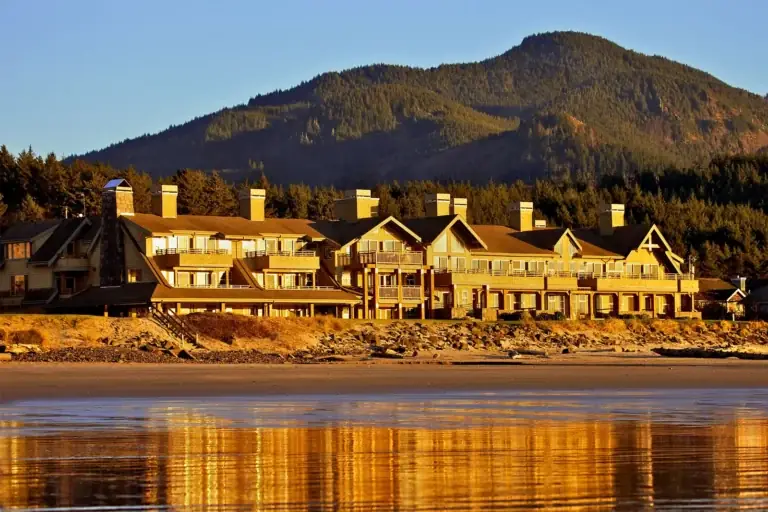
The intersection of uncompromising spatial luxury and dramatic American geography represents a pinnacle achievement in modern high-end hospitality. Across coastal precipices, towering alpine ridges, expansive desert basins, and metropolitan skylines, premier properties curate environments where architecture serves as a silent frame for extraordinary natural vistas. Examining the best scenic five-star suites united states requires a rigorous analytical approach that looks past promotional landscape photography to understand the structural, environmental, and engineering feats that enable ultra-luxury living within fragile or extreme topographies.
Navigating this rarefied domain demands a clear understanding of how visual framing interacts with interior acoustic design, why conventional hospitality metrics fail when applied to remote landscape-dependent suites, and how high-net-worth travelers evaluate true environmental integration. As wealth migration patterns shift and demands for absolute privacy and visual immersion intensify, studying the structural realities of elite domestic sanctuaries has become an essential competency. Dissecting these operational ecosystems provides a definitive window into the cultural and economic standards shaping premier American resort architecture.
Understanding “best scenic five-star suites united states”
The analytical discipline required to evaluate the best scenic five-star suites united states encompasses the behavioral, spatial, and environmental criteria that separate standard luxury accommodations from true landmark vantage points. Unlike transient hotel rooms positioned for basic urban convenience, flagship scenic suites engage directly with complex topographies, requiring advanced glass engineering, specialized climate controls, and micro-architectural placement to maximize natural illumination while preserving absolute occupant privacy.
Common misunderstandings center on the assumption that securing an exceptional view is purely an exercise of financial capital and high floor placement. In practice, maintaining a high-functioning scenic suite requires active management of solar heat gain, wind shear dynamics, and ecological preservation boundaries. Furthermore, observers frequently confuse pristine aesthetic presentation with structural resilience, ignoring the complex logistical engineering necessary to anchor multi-ton glass pavilions onto fragile cliff edges or high-altitude mountain passes.
Oversimplification risks empower lifestyle commentators to treat premier scenic suites as passive backdrops for social media documentation rather than intricate operational environments. Recognizing the true mechanics of the best scenic five-star suites united states demands deep scrutiny regarding fenestration technology, thermal insulation performance, and the delicate balance between open-air exposure and interior environmental comfort. Effective mastery of these variables requires a multi-dimensional evaluation of both structural real estate design and landscape hospitality execution.
Deep Contextual Background
The evolution of scenic luxury hospitality in America reflects a century-long transformation in how travelers interact with untamed landscapes. During the late nineteenth and early twentieth centuries, the establishment of the national park system and the rise of grand railroad hotels—such as those perched along the rim of the Grand Canyon or nestled within Glacier National Park—pioneered the concept of monumental architecture framing sublime natural vistas.
As post-war interstate expansion and modern engineering unlocked previously inaccessible coastal and mountain terrain during the mid-twentieth century, luxury hospitality shifted toward larger commercial footprints. However, the late twentieth and early twenty-first centuries witnessed a powerful counter-movement toward hyper-exclusive, low-density environmental sanctuaries. Visionary architects and hospitality groups began deploying advanced steel framing, cantilevered structural engineering, and floor-to-ceiling structural glass to merge indoor living spaces directly with dramatic American topographies.
The contemporary era represents an absolute convergence of sustainable land stewardship, advanced building material science, and immersive hospitality design. Modern premier suites integrate electrochromic glass, automated wind-load shutters, and seismic dampening systems while preserving an analog sense of raw nature that appeals to privacy-conscious principals and design connoisseurs. This ongoing evolution ensures that understanding the landscape of elite American scenic suites remains vital for modern travel curation and asset management.
Conceptual Frameworks and Mental Models
Assessing the performance and architectural integrity of top-tier scenic suites requires structured analytical frameworks that weigh multiple competing environmental and spatial variables.
The Visual-Exposure Equilibrium Model
This framework maps panoramic glass exposure and sightline orientation against solar heat gain coefficients and privacy shielding to quantify optical performance.
The Topographic Integration Index
This analytical lens evaluates how smoothly structural foundations anchor into cliffside rock faces, alpine soils, or coastal dunes without disrupting local drainage or wildlife corridors.
The Environmental Stress-Resistance Continuum
This model weighs the material durability of exterior finishes against extreme localized weather hazards, including salt-air corrosion, high-altitude UV radiation, and severe wind shear.
The Acoustic Isolation Framework
This model assesses how advanced multi-pane acoustic glazing mitigates ambient environmental noise—such as ocean surf, high-altitude gales, or wildlife—to ensure interior acoustic serenity.
Key Categories or Variations
The landscape of premier scenic suites across the United States encompasses several distinct architectural and geographical categories, each presenting unique trade-offs.
The Pacific Cliffside Cantilever
Minimalist glass and steel suites hovering directly over crashing ocean surf along the rugged California coastline. It offers breathtaking marine vistas and total visual immersion, offset by intense salt-air maintenance demands and marine layer humidity.
The Alpine Ridge Panoramic Lodge
High-altitude timber and stone suites perched above timberline in the Rocky Mountains or the Tetons, featuring soaring vaulted ceilings and unobstructed mountain-peak sightlines. It delivers dramatic alpine majesty and crisp air quality, offset by extreme winter weather disruptions and altitude adaptation challenges.
The Desert Monolith Pavilion
Low-profile rammed-earth and glass suites integrated into the striking red rock formations or sprawling cactus valleys of the American Southwest. It provides extraordinary geological connection, absolute silence, and vivid star-gazing, offset by intense summer thermal loads and dust management.
The Coastal Island Sanctuary
Secluded luxury suites accessible only by private watercraft or air, floating above pristine coral reefs or sheltered saltwater bays in the Florida Keys or Pacific Northwest. It presents unmatched aquatic isolation and bioluminescent night views, offset by hurricane exposure and strict logistical supply chains.
The Metropolitan Cloud Suite
Ultra-high-floor vertical residences in Manhattan, Chicago, or Los Angeles featuring panoramic glass walls overlooking iconic urban skylines. It offers unmatched cultural connectivity and dynamic urban light displays, offset by elevator transit dependencies and acoustic isolation requirements.
American Scenic Suite Categories Comparison Matrix
| Suite Category | Geographic Setting | Core Experiential Advantage | Primary Operational Trade-Off |
| Pacific Cliffside Cantilever | California & Oregon shores | Direct ocean suspension and surf views | Salt-air corrosion and marine humidity |
| Alpine Ridge Lodge | Rocky Mountains & Tetons | High-altitude peak majesty and snowscapes | Extreme winter weather and altitude |
| Desert Monolith Pavilion | Southwestern desert basins | Geological drama and silent night skies | Intense thermal loads and dust |
| Coastal Island Sanctuary | Florida Keys & island outposts | Turquoise waters and absolute seclusion | Hurricane vulnerability and logistics |
| Metropolitan Cloud Suite | Major urban skylines | Dynamic vertical cityscapes and light | Vertical transit and ambient noise |
Realistic Decision Logic
Selecting the appropriate scenic suite category requires aligning the asset’s environmental profile with the primary objective of the principal’s stay. Specifically, if a creative director or corporate leader requires absolute silence, stark natural geometry, and profound psychological decompression, desert monolith pavilions or cliffside marine cantilevers represent the optimal choice. Conversely, if the objective is active alpine recreation coupled with dramatic elevation changes, high-altitude ridge lodges should be prioritized. Planners must evaluate assets using a strict situational matrix before confirming reservations.
Detailed Real-World Scenarios
The Pacific Coastline Architectural Sabbatical
A design executive seeking intense creative focus utilized a cantilevered cliffside suite along the Big Sur coast for a three-month residency. The floor-to-ceiling electrochromic glass automatically adjusted to mitigate afternoon glare off the Pacific Ocean, allowing uninterrupted digital and sketching workflows while maintaining a constant visual connection to migrating grey whales below.
The Alpine Executive Strategy Session in Jackson Hole
A private equity leadership team coordinating an annual portfolio review secured a high-altitude ridge suite overlooking the Teton range. The suite’s massive stone hearth and multi-pane acoustic glass allowed confidential strategy sessions to proceed inside while heavy winter gales raged outside, supported by property engineering teams managing backup generator systems.
The Desert Monolith Research Residency in Arizona
A team of historians and architects documenting indigenous Southwestern heritage utilized a low-profile desert pavilion suite in the Sonoran desert. The structure’s heavy rammed-earth thermal mass naturally regulated interior temperatures during extreme daytime heat, while evening stargazing from the private viewing terrace provided profound contextual inspiration.
The Island Sanctuary Family Office Retreat
A multi-generational family office utilized an isolated island suite in the Florida Keys for a summer governance summit. The private seaplane arrival and surrounding unobstructed ocean vistas allowed family members to conduct multi-generational financial planning completely shielded from public distraction, supported by dedicated marine logistical staff.
Planning, Cost, and Resource Dynamics
The financial architecture of booking and experiencing the best scenic five-star suites united states involves balancing premium nightly tariffs against the comprehensive value of engineered views, architectural pedigree, and bespoke service integration. Direct monetary costs frequently range from three thousand to upwards of fifteen thousand dollars per night, reflecting the extreme scarcity of front-row scenic real estate and specialized structural maintenance.
Opportunity costs manifest clearly in inventory availability and seasonal booking windows. Because flagship scenic properties maintain only a handful of prime-view keys, reservations must be executed many months in advance, and cancellation policies are rigidly enforced to protect high-value inventory.
| Expense Category | Typical Variance Range | Primary Cost Drivers | Mitigation Strategy |
| Nightly Suite Tariffs | $3,000 to $15,000+ per night | View angle; architectural tier; scarcity | Book during shoulder-season weather transitions |
| Structural Engineering Surcharges | Included or embedded | Cliffside stabilization and glass upkeep | Verify property maintenance SLAs in advance |
| Private Air & Ground Transfer | $1,500 to $6,000 per leg | Remote mountain or island airstrip logistics | Coordinate regional transit via hotel aviation liaisons |
| Weather Insurance Forfeiture Risk | 50% to 100% of deposit | Strict inventory holding policies | Secure comprehensive experiential travel protection |
Tools, Strategies, and Support Systems
Executing error-free reservations and maximizing the value of premier scenic suites requires specialized digital platforms and professional advisory networks.
-
Invitation-Only Travel Advisory Portals: Utilizing elite consortia networks that maintain direct communication lines with property managing directors and real estate owners.
-
Direct General Manager Liaison Channels: Establishing direct communication lines weeks prior to arrival to confirm specific room aspect, sun exposure angles, and balcony wind protection.
-
Bespoke Topographic and Solar Auditing: Analyzing micro-climate data, seasonal fog patterns, and sun-path projections before confirming travel dates to ensure optimal scenic visibility.
-
Secure Enterprise IT Coordination: Pre-approving encrypted satellite or fiber network setups with property engineering teams for executives requiring ongoing connectivity.
-
Private Aviation Ground Linkages: Coordinating seamless tarmac-to-suite helicopter or four-wheel-drive transfers between regional airstrips and remote property gates.
-
Acoustic and Glazing Verification: Reviewing architectural floor plans to verify multi-pane acoustic insulation and shading mechanisms before booking high-glare desert or ocean suites.
Risk Landscape and Failure Modes
Implementing travel strategies focused on premier scenic suites exposes principals to compounding operational risk vulnerabilities. The primary hazard involves extreme environmental exposure and micro-climate volatility. Because premier scenic suites are purposefully positioned on cliff edges, high ridges, or exposed islands, properties are highly susceptible to sudden weather shifts, including heavy fog banks obscuring views, high-altitude wind storms, or coastal storm surges.
Another critical risk category involves technical maintenance complexity. Advanced architectural features—such as motorized retractable glass walls, electrochromic smart glass, and cantilevered infinity pools—require rigorous engineering upkeep. Any mechanical failure in these systems can significantly impact the experiential quality of the suite, highlighting the necessity of verifying property redundancies and on-site engineering support.
Governance, Maintenance, and Long-Term Adaptation
Maintaining an authoritative capability in evaluating premier domestic scenic suites requires continuous market surveillance and structured review cadences. As property ownership groups shift management contracts or undergo architectural refreshes, evaluation metrics must adapt accordingly.
-
Adjustment Triggers: Define explicit operational signals—such as ownership changes, structural erosion signs, or declining architectural maintenance scores—that automatically prompt a reassessment of a property’s preferred status.
-
Annual Portfolio Reviews: Conduct comprehensive audits of historical scenic suite stays to track brand consistency, glass engineering evolution, and emerging environmental standards across the domestic market.
-
Layered Compliance Checklists: Maintain internal databases tracking which flagship properties consistently deliver flawless execution versus those experiencing operational drift.
Measurement, Tracking, and Evaluation
Assessing the true success of a scenic suite residency requires balancing quantitative financial metrics against qualitative psychological restoration and visual satisfaction signals. Relying exclusively on aesthetic marketing grandeur hides potential functional compromises in acoustic comfort or environmental control.
-
Leading Indicators: Monitor pre-arrival aspect confirmation responsiveness, weather tracking precision, and preferred partner network verification scores.
-
Lagging Indicators: Analyze total trip expenditure value, service recovery incident rates, and formal post-stay experiential feedback evaluations.
-
Qualitative Signals: Evaluate executive feedback concerning visual inspiration, sleep quality improvements driven by acoustic isolation, and whether the suite delivered a genuinely transformative connection to the landscape.
Common Misconceptions and Oversimplifications
-
Myth: Booking the highest-priced suite in a scenic resort guarantees the best and most unobstructed view.
-
Correction: Architectural placement, surrounding topography, and orientation matter significantly more than vertical floor numbers; lower-level cantilevered suites often provide more dramatic framing than upper floors.
-
-
Myth: Modern smart glass and floor-to-ceiling windows eliminate the need to consider seasonal sun angles or weather glare.
-
Correction: Extreme solar heat gain in desert or ocean environments can overwhelm climate control systems if suites lack proper exterior shading louvers and strategic orientation.
-
-
Myth: Scenic suites located in remote wilderness or coastal settings are immune to ambient noise pollution.
-
Correction: Coastal surf, high-altitude gales, or nearby service roads can introduce significant acoustic interference requiring advanced multi-pane glazing to mitigate.
-
-
Myth: Reviewing promotional landscape photography is sufficient to understand the privacy and sightline exposure of a scenic terrace.
-
Correction: Marketing imagery is often shot from elevated drone perspectives that do not reflect actual balcony privacy or adjacent suite sightlines.
-
-
Myth: High-end scenic suites require minimal operational maintenance due to their advanced engineering materials.
-
Correction: Salt-air corrosion, high-altitude UV degradation, and extreme temperature fluctuations demand rigorous, constant engineering upkeep.
-
Ethical, Practical, or Contextual Considerations
Engaging deeply with the best scenic five-star suites united states carries significant responsibilities regarding respectful interaction with fragile local ecosystems, protected wildlife habitats, and indigenous cultural lands. While travelers must fiercely protect their privacy, comfort, and financial investments through rigorous pre-arrival audits, adversarial interactions that disrespect local environmental guidelines or strain property staffing models damage professional goodwill.
Travel planners and discerning principals must balance the pursuit of absolute visual perfection with a supportive appreciation for ecological stewardship and landscape hospitality operations. Ensuring that elite curation focuses on supporting regenerative land management, respecting local zoning protections, and honoring architectural craftsmanship fosters a sustainable, highly sophisticated approach to scenic luxury travel.
Conclusion
Mastering the evaluation and curation of the best scenic five-star suites united states requires intellectual rigor, architectural literacy, and a commitment to looking past surface-level marketing aesthetics. While premier scenic accommodations demand higher planning diligence and financial investment than standard luxury hotels, understanding the intricate interplay of visual-exposure equilibria, topographic integration, and advanced structural engineering transforms travel curation into a powerful strategic art. By balancing rigorous operational oversight with an appreciation for environmental stewardship and design craftsmanship, organizations and discerning travelers can successfully secure extraordinary, transformative residencies at the absolute summit of American landscape living.