American Coastal Five-Star Suites: The Definitive Luxury Guide
The maritime interface of the United States presents a complex environment where high-end hospitality must negotiate extreme environmental variables. Along the Atlantic barrier islands, the rugged cliffs of the Pacific Northwest, and the tropical shores of the Hawaiian archipelago, premier hospitality properties face persistent salt-air corrosion, high-velocity wind loads, and dynamic coastal weather systems. Within this setting, accommodations located directly at the water’s edge operate under rigorous architectural and operational demands that distinguish them from standard inland luxury properties.
Discerning travelers examining high-end seaside properties frequently encounter marketing narratives that equate floor-to-ceiling glass exposure or proximity to the surf with genuine five-star distinction. True maritime sanctuary requires a rigorous evaluation of core structural engineering, specialized acoustic dampening against crashing waves, automated storm-shutter integration, and humidity-controlled interior air management. Consequently, this analysis explores the architectural, operational, and financial dimensions defining american coastal five-star suites across diverse marine ecosystems.
Securing an exceptional oceanfront stay involves navigating complex variables ranging from seasonal micro-climates to specialized building materials capable of withstanding aggressive marine atmospheres. While promotional branding frequently emphasizes sweeping ocean vistas, authentic excellence depends on private terrace wind mitigation, proprietary HVAC engineering that prevents salt-induced corrosion, and frictionless service logistics operating across sprawling coastal acreage or vertical cliffside towers.
Understanding american coastal five-star suites
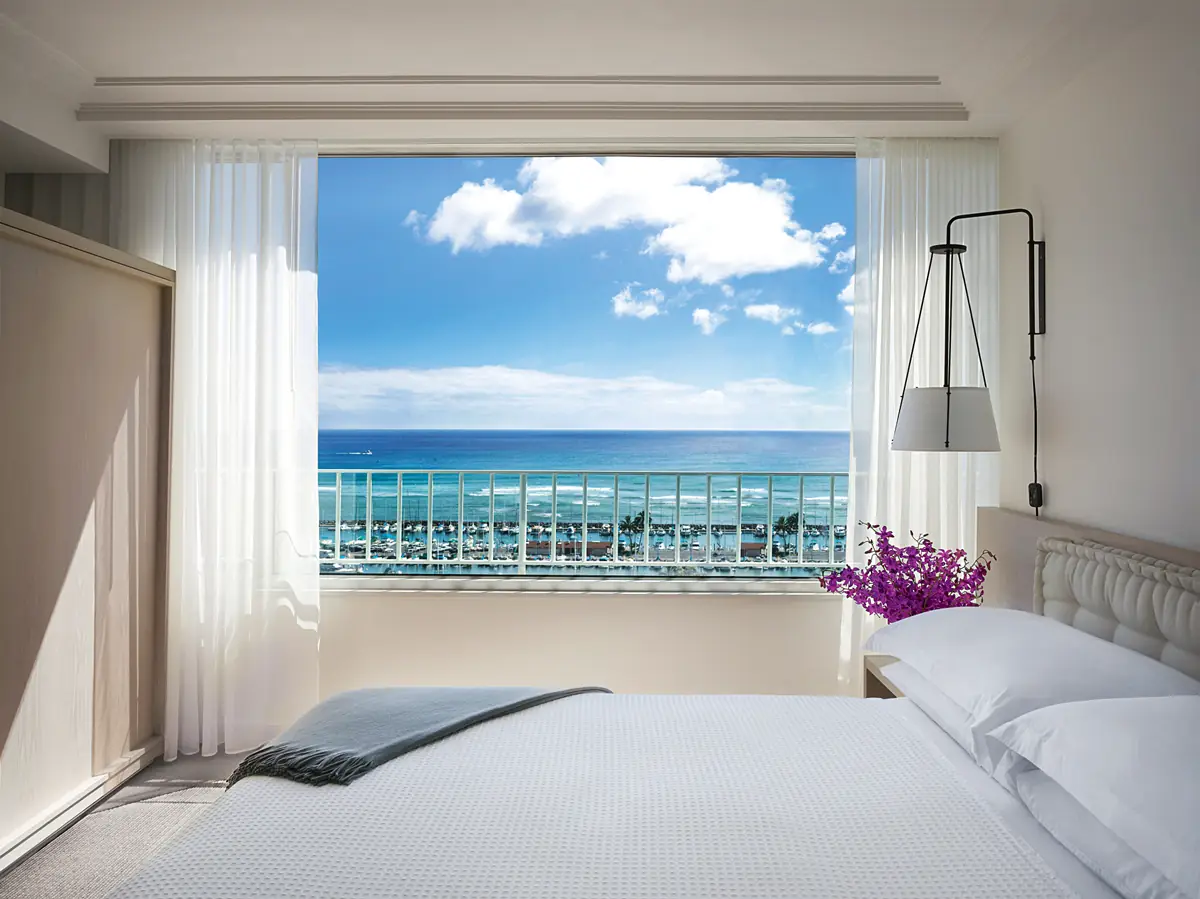
The phrase american coastal five-star suites represents a multi-layered classification bridging high-end hospitality, marine engineering, and environmental stewardship. Evaluating these destinations requires separating superficial luxury markers from structural operational realities. For instance, a common misconception is that large glass expanses facing the ocean automatically guarantee an ideal living environment. In practice, unprotected western or southern marine exposures introduce intense solar heat loads and severe wind shear that can compromise indoor comfort unless mitigated by specialized laminated glass and dynamic shading systems.
Oversimplification in this sector frequently stems from conflating scenic beauty with operational ease. While properties highlight extensive marine activity programs and panoramic dining terraces, the true measure of elite oceanfront lodging lies in its structural resilience and environmental adaptability. Successful properties utilize sophisticated coastal landscaping and dune restoration techniques to protect guest accommodations from storm surges while preserving natural sightlines.
Another layer of complexity involves federal and state coastal commission regulations, maritime zoning laws, and strict environmental conservation mandates. Because prime shorelines are subject to intense regulatory oversight regarding erosion control and habitat protection, constructing or expanding luxury footprints is heavily restricted. Consequently, the most prestigious american coastal five-star suites typically operate within mature estates or tightly regulated master-planned enclaves where inventory is strictly capped, altering pricing models and service delivery standards.
Deep Contextual Background
The evolution of upscale seaside hospitality reflects broader shifts in transportation infrastructure, industrial wealth generation, and coastal architecture. During the late nineteenth and early twentieth centuries, the expansion of regional rail networks enabled wealthy urbanites to travel to grand wooden hotels along the New Jersey shore, Newport, and the coast of Maine. These early establishments prioritized seasonal congregation, featuring wide wrap-around porches designed to capture ocean breezes before the advent of mechanical air conditioning.
Post-World War II affluence and the expansion of commercial aviation shifted preferences toward rapid, sun-seeking coastal getaways in Florida and Southern California. This era introduced modern beachfront resorts and sprawling motor lodges that prioritized automotive access and direct beach proximity. However, many mid-century coastal developments lacked the advanced envelope engineering, localized humidity control, and sustainable shoreline management required to withstand severe weather events and satisfy contemporary standards.
By the late twentieth and early twenty-first centuries, the definition of premier seaside accommodations matured into an emphasis on biophilic integration, hurricane-resistant engineering, and delicate coastal ecology preservation. Properties in Big Sur, Maui, the Lowcountry, and coastal New England began investing heavily in resilient structural designs, farm-to-table coastal culinary programs, and bespoke marine excursions. Today, american coastal five-star suites are engineered to harmonize with their native biomes, utilizing marine-grade stainless steel, corrosion-resistant framing, and advanced climate management systems that preserve natural aesthetics without sacrificing modern comfort.
Conceptual Frameworks and Mental Models
Evaluating premier seaside accommodations benefits from structured analytical frameworks isolating physical, operational, and environmental variables.
-
The Marine Envelope Resilience Model evaluates how effectively a resort protects guest quarters from salt-air corrosion, moisture intrusion, and high-velocity wind loads. High-performing properties utilize marine-grade sealants, anodized aluminum frames, and robust exterior shutter systems.
-
The Tidal Privacy Index measures the acoustic and visual separation between private suites and public beach access corridors. True elite retreats ensure that private terraces and plunge pools remain shielded from public foot traffic during shifting tidal cycles.
-
The Humidity and Air-Handling Matrix assesses mechanical climate control capabilities. This model examines how effectively specialized HVAC systems remove ambient marine moisture to prevent indoor condensation and mold growth.
-
The Coastal Scarcity Curve maps property valuation and structural availability against strict environmental zoning laws. Because prime oceanfront airspace and acreage are finite, top-tier suites operate on inelastic supply curves, making them highly resilient to general economic shifts.
Key Categories or Variations
Domestic luxury seaside accommodations span several distinct architectural and geographical typologies, each presenting specific trade-offs regarding climate exposure, recreational focus, and logistical accessibility.
| Category | Typical Location Profile | Primary Architectural Advantage | Key Operational Trade-Off |
| Cliffside Pacific Perches | Big Sur, Pacific Coast Highway, Oregon | Dramatic elevation views, complete isolation from public beaches, and rugged stone foundations. | High exposure to seismic activity, winter mudslides, and high-altitude ocean gales. |
| Barrier Island Estates | Lowcountry (South Carolina, Georgia), Florida | Direct marine ecosystem access, deep maritime heritage architecture, and cooling sea breezes. | High vulnerability to tropical storm systems, salt-air corrosion, and seasonal tidal erosion. |
| Tropical Island Enclaves | Hawaiian Islands (Maui, Kauai, Lanai) | Lush biophilic integration, year-round warm micro-climates, and rich Polynesian cultural access. | High operational costs associated with importing luxury goods and specialized hospitality labor. |
| Classic New England Shingle Sanctuaries | Cape Cod, coastal Maine, Rhode Island | Historic nautical charm, rocky coves, and deep maritime architecture traditions. | Short operating seasons driven by severe winter weather and freezing temperatures. |
| Urban Waterfront Towers | Miami Beach, San Francisco, Seattle | Central proximity to metropolitan dining, yacht marinas, and cultural centers. | Street-level urban noise and congestion conflicting with peaceful oceanfront relaxation. |
Realistic Decision Logic
Selecting among these categories requires aligning personal tolerance for environmental exposure with specific recreational objectives. Travelers seeking dramatic isolation and rugged ocean vistas typically favor cliffside Pacific perches. Conversely, those prioritizing warm water immersion, white sand beaches, and tropical flora lean toward island enclaves. Meanwhile, classic New England shingle sanctuaries serve individuals focused on maritime history, sailing culture, and slower-paced coastal exploration.
Detailed Real-World Scenarios
Understanding how these high-end seaside properties function under operational pressure requires examining specific situational archetypes that thoroughly test suite design, spatial layout, and staff capability.
The Multi-Generational Family Reunion on the Coast
-
Operational Constraints: A family group requiring simultaneous connection and privacy across three distinct generations, including young children and elderly members with mobility needs.
-
Core Decision Points: Selecting multi-bedroom beachfront villas featuring ground-floor access, ramped pathways avoiding shifting dune sands, and private dining pavilions.
-
Primary Failure Modes: Inadequate soundproofing between primary bedrooms and children’s areas; lack of step-free pathways across unstable coastal sand or steep bluff terrain.
-
Second-Order Effects: Choosing a property equipped with robust multi-room layouts successfully prevents intra-family friction and reduces reliance on crowded public resort dining areas.
The High-Stakes Executive Strategy Retreat
-
Operational Constraints: A corporate leadership team requiring absolute digital security, uninterrupted high-bandwidth connectivity, and confidential meeting spaces away from public gaze.
-
Core Decision Points: Evaluating private boardroom facilities within standalone seaside guest villas, acoustic isolation from public pool decks, and dedicated IT support teams.
-
Primary Failure Modes: Open-concept common areas lacking privacy doors; resort-wide Wi-Fi bottlenecks during peak usage hours; ambient noise from crashing surf interfering with audio recordings.
-
Second-Order Effects: Securing a detached coastal chalet or buyout wing ensures complete confidentiality and protects proprietary discussions from external exposure.
The Milestone Anniversary and Culinary Immersion
-
Operational Constraints: Celebrating a major anniversary with private dining experiences, custom seafood pairings, and personalized spa itineraries.
-
Core Decision Points: Assessing the flexibility of executive culinary brigades, private oceanfront terrace dining capacities, and proprietary spa suite availability.
-
Failure Modes: Inflexible fixed-menu schedules; shared spa facilities lacking private treatment cabanas; sudden coastal wind gusts canceling outdoor dining plans.
-
Second-Order Effects: Properties accustomed to ultra-high-net-worth expectations maintain dedicated residential-style kitchens and private culinary teams capable of seamless indoor-outdoor execution.
The Extended Wellness and Marine Reset
-
Operational Constraints: An individual undertaking a multi-week health immersion requiring clean marine air controls, private fitness integration, and absolute acoustic solitude.
-
Core Decision Points: Selecting suites with advanced air filtration systems, dedicated wellness alcoves, and private plunge facilities overlooking the water.
-
Failure Modes: Centralized resort HVAC systems introducing exterior salt air or humidity; intrusive housekeeping schedules interrupting rest periods.
-
Second-Order Effects: Properties offering customizable environmental controls and flexible service protocols deliver sustainable physiological restoration over extended stays.
Planning, Cost, and Resource Dynamics
Securing premier oceanfront accommodations involves navigating complex financial structures extending far beyond baseline nightly tariffs. Total cost calculations must account for seasonal rate volatility, mandatory resort fees, applicable local occupancy taxes, and service tipping protocols. Furthermore, booking channels significantly influence the inclusion of value-added perks such as daily breakfast, spa credits, or guaranteed room upgrades.
| Expense Category | Average Baseline Range | Primary Cost Drivers & Variability |
| Nightly Suite or Villa Tariff | $1,500 to $8,000+ per night | Peak seasonal demand (summer beach seasons, holiday periods); villa square footage; direct oceanfront orientation. |
| Taxes, Fees & Resort Levies | 12% to 22% of total rate | State and municipal tourism taxes; mandatory property resort fees; coastal protection surcharges. |
| Culinary & Beverage Programs | $350 to $1,200+ per day | Premium pricing on private yacht catering, rare seafood sourcing, and in-suite dining services. |
| Ancillary Activities & Wellness | $400 to $2,000+ per session | Private charter boat excursions, deep-sea fishing, customized beachside spa treatments, and equipment rentals. |
Opportunity Cost and Financial Nuance
The primary financial consideration in this asset class involves the opportunity cost of inflexible cancellation policies. Top-tier coastal properties often operate under strict terms during peak summer or holiday windows, sometimes requiring non-refundable deposits months in advance. Travelers must weigh financial commitments against comprehensive travel insurance options. Additionally, leveraging specialized luxury travel advisors often unlocks unlisted amenities that offset ancillary on-property expenditures.
Tools, Strategies, and Support Systems
Navigating the inventory of elite seaside retreats requires systematic research tools and professional partnerships bypassing public booking engine limitations.
-
Dedicated Luxury Travel Networks provide access to unlisted property allocations, priority waitlists, and direct communication channels with resort general managers.
-
Architectural and Marine Envelope Reviewers help examine resort master plans to identify specific villa locations avoiding direct storm surge exposure and high-velocity wind corridors.
-
Tidal and Marine Meteorological Trackers utilize historical oceanographic data to evaluate whether a specific beach orientation experiences severe erosion or seasonal seaweed accumulation.
-
Direct Property Concierge Engagement establishes communication with head concierges weeks prior to arrival to coordinate complex logistics, private boat charters, and customized itineraries.
-
Resort Density and Spatial Mapping analyzes property layouts to determine walking and golf-cart transit distances from private villas to main dining venues and wellness centers.
-
Independent Asset Audits review third-party engineering reports to verify structural resilience and acoustic dampening quality before final booking confirmation.
Risk Landscape and Failure Modes
Even the most celebrated domestic coastal properties remain vulnerable to systemic operational failures and environmental disruptions compromising the guest experience.
-
Compounding Environmental Stressors: Extreme weather events, such as hurricanes along the Atlantic seaboard or severe winter storms in the Pacific, can abruptly disrupt travel logistics and outdoor activities.
-
Seasonal Labor Bottlenecks: In remote island or coastal locations, recruiting and retaining specialized culinary and hospitality talent can strain service ratios during peak booking surges.
-
Acoustic and Spatial Contamination: Unforeseen beach erosion control projects or adjacent public pier construction can introduce persistent noise pollution into previously tranquil villa zones.
-
Infrastructure Vulnerabilities: Coastal power grid instability can test backup generator readiness, occasionally impacting climate control and high-bandwidth communications.
Governance, Maintenance, and Long-Term Adaptation
Maintaining elite standards across coastal hospitality assets requires rigorous operational governance and continuous capital expenditure. Because aggressive marine environments accelerate rust, rot, and material degradation, property management must adhere to strict maintenance cycles. Environmental exposure monitoring feeds into preventative exterior window washing and rust mitigation, followed by interior soft-goods upgrades on an 18-to-24-month cadence, backed by structural engineering audits.
This cyclical governance model ensures that high-traffic villas and main lodges undergo deep restorative maintenance rather than superficial touch-ups. Regular reviews of life-safety systems, sea-wall integrity, and backup generator readiness prevent environmental emergencies from impacting guest safety and comfort.
Measurement, Tracking, and Evaluation
Assessing the ongoing quality of a seaside resort asset involves monitoring both objective operational metrics and subjective experiential indicators.
-
Leading Indicators: Preventative maintenance ticket resolution velocity, pre-arrival preference confirmation rates, and staff retention metrics within culinary and marine guide divisions.
-
Lagging Indicators: Repeat guest reservation percentages, third-party quality audit scores, and net promoter sentiment regarding in-suite tranquility and service execution.
-
Qualitative Signals: The consistency of personalized service delivery, the discretion and adaptability of hospitality staff, and the physical maintenance of outdoor living surfaces exposed to salt air.
Common Misconceptions and Oversimplifications
-
Myth: Higher nightly rates universally guarantee complete acoustic isolation from crashing waves and public beach traffic.
Correction: Oceanfront suites can experience intense wave noise and wind turbulence that may disrupt sleep unless equipped with specialized acoustic glazing.
-
Myth: Remote coastal resorts offer simpler, more relaxed operational standards than urban hotels.
Correction: Operating a luxury compound in an isolated maritime environment requires complex logistical supply chains, making behind-the-scenes operations far more intricate.
-
Myth: All-inclusive pricing models cover every possible ocean excursion and amenity without restriction.
Correction: Private yacht charters, deep-sea fishing expeditions, and specialized beachside spa treatments frequently carry significant additional surcharges.
-
Myth: Newer coastal developments always outperform historic seaside estates in guest comfort.
Correction: Historic properties often occupy irreplaceable geographical footprints that modern coastal commission laws prohibit, offering unmatched proximity to the water.
Conclusion
The selection of premier domestic oceanfront accommodations requires navigating a complex intersection of geography, marine engineering, and operational excellence. True excellence in this domain is defined by meticulous attention to environmental shielding, spatial zoning, and consistent service execution. By looking past surface-level marketing and evaluating properties through rigorous structural frameworks, travelers can identify authentic sanctuaries offering enduring comfort and profound connection to the American maritime landscape.